









What a fjord tour by road actually gives you
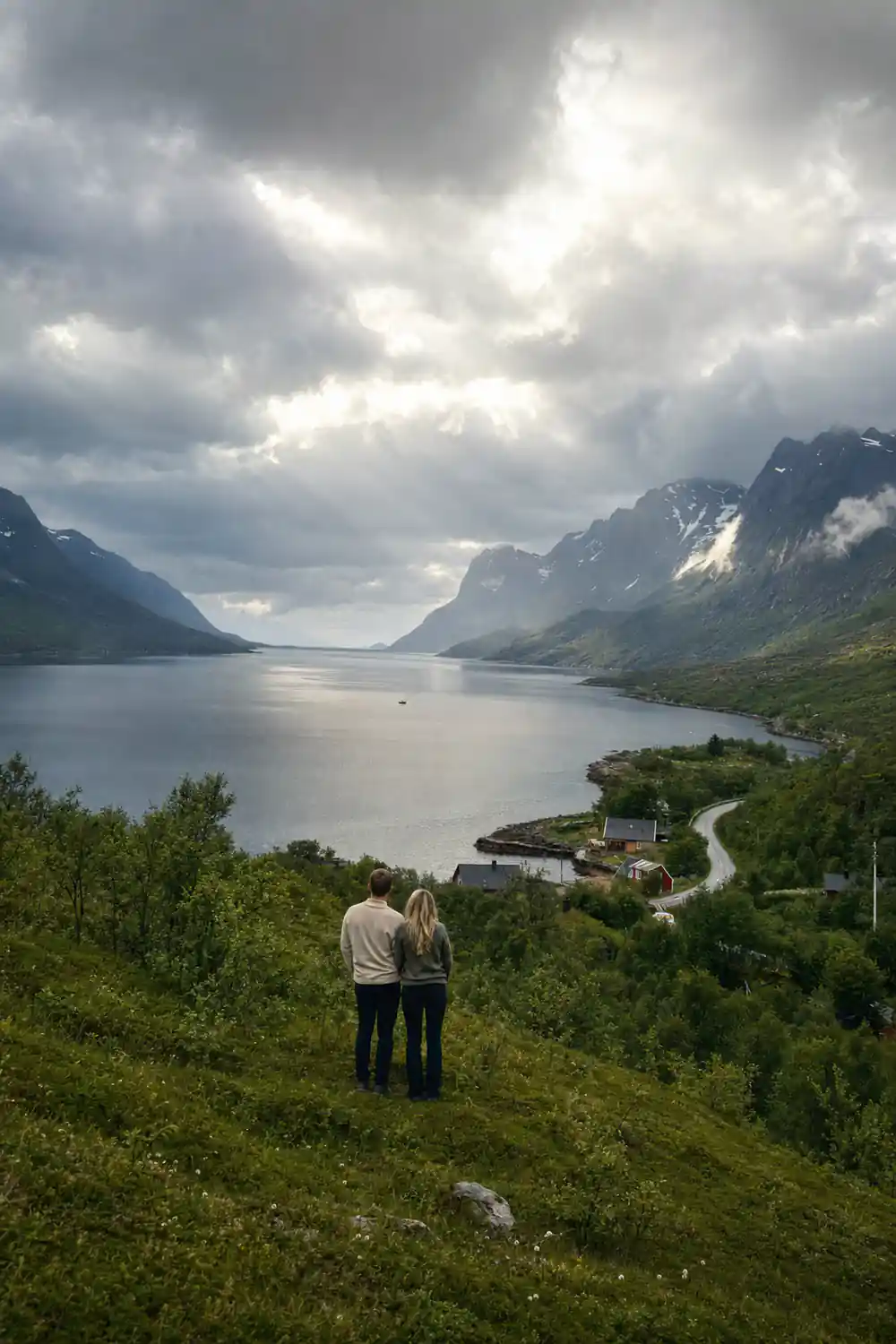
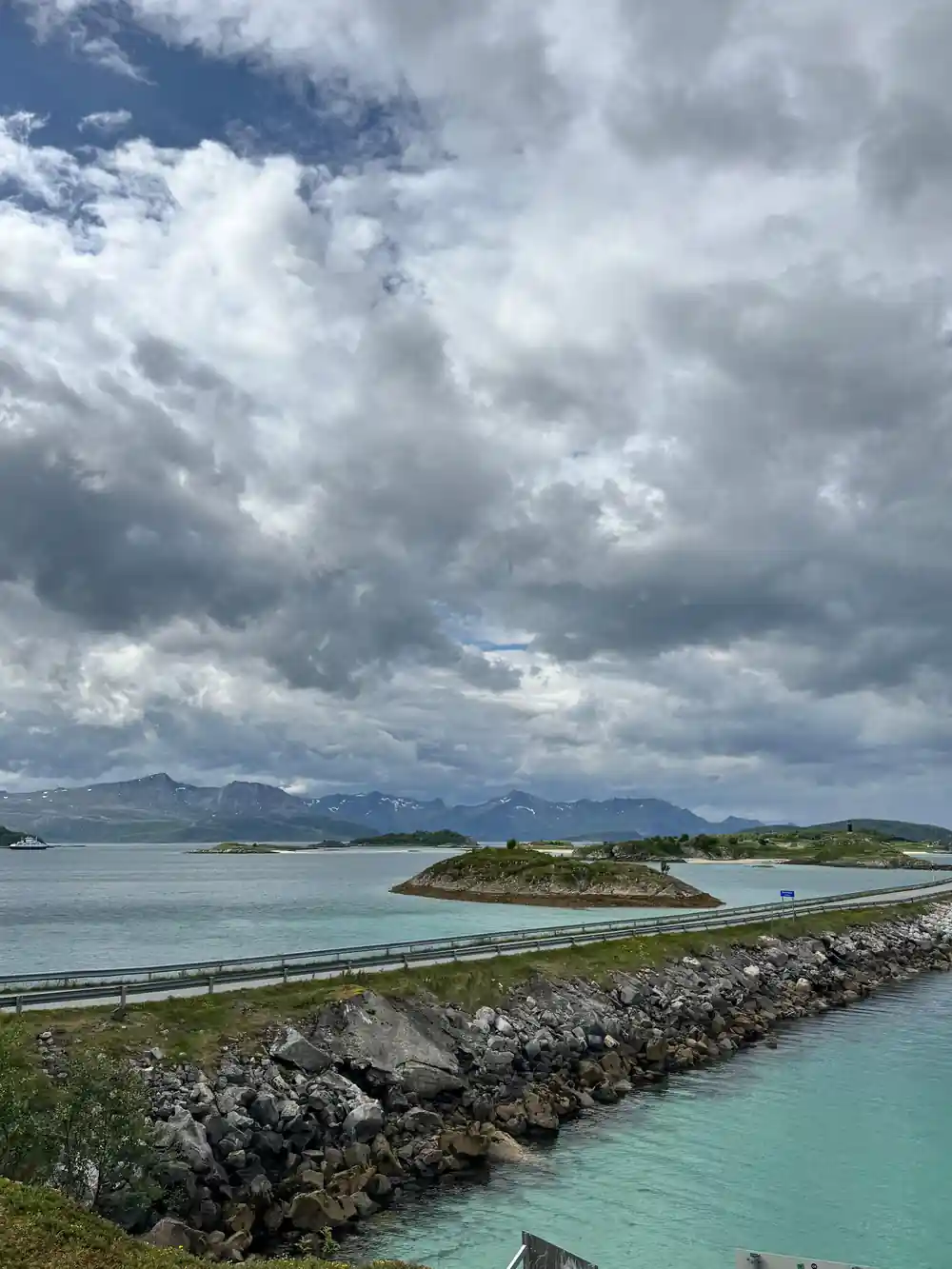
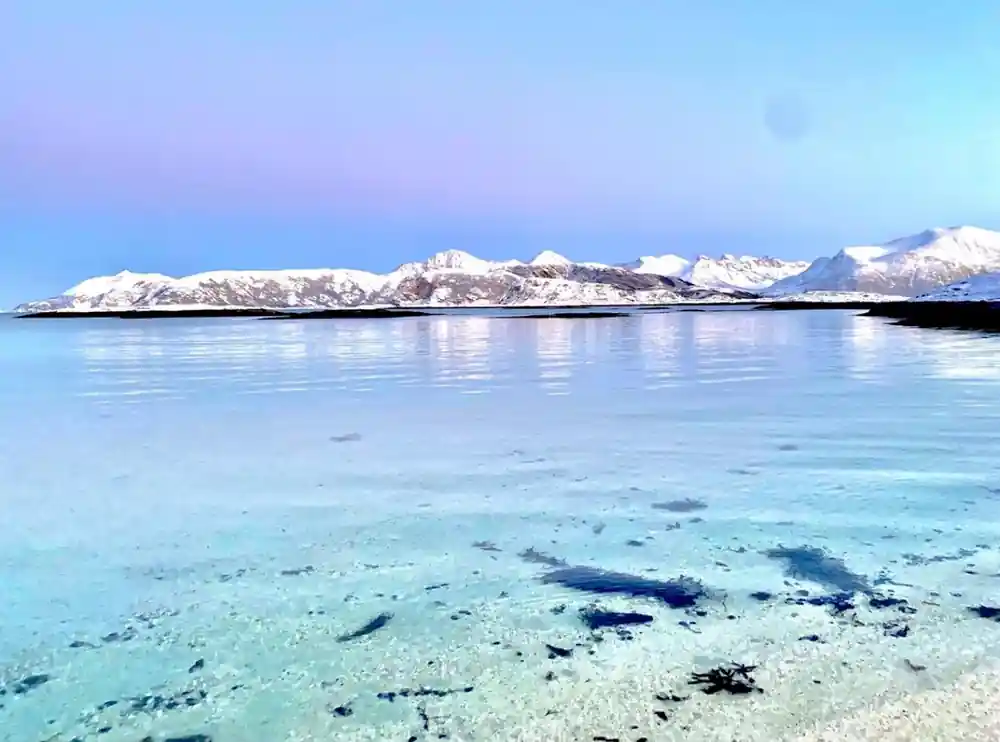
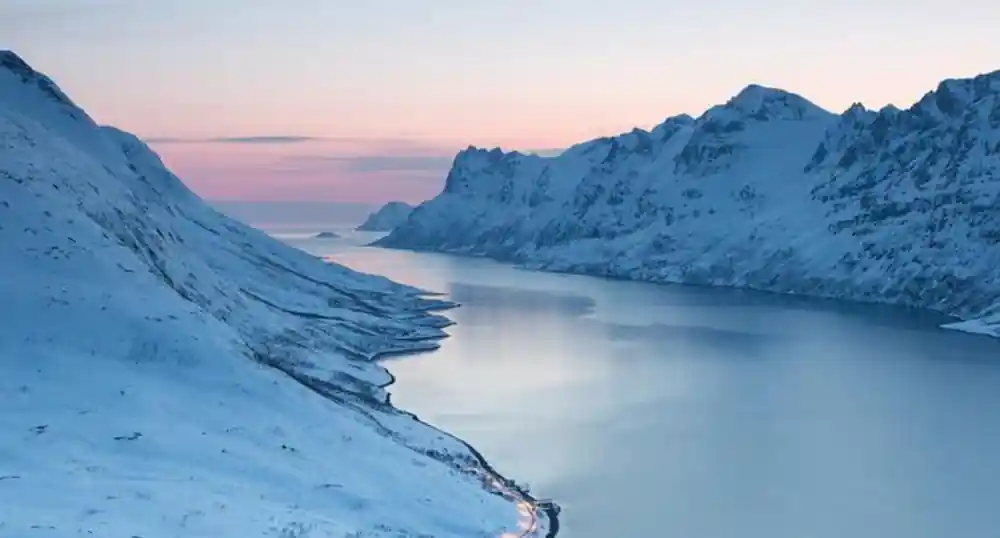
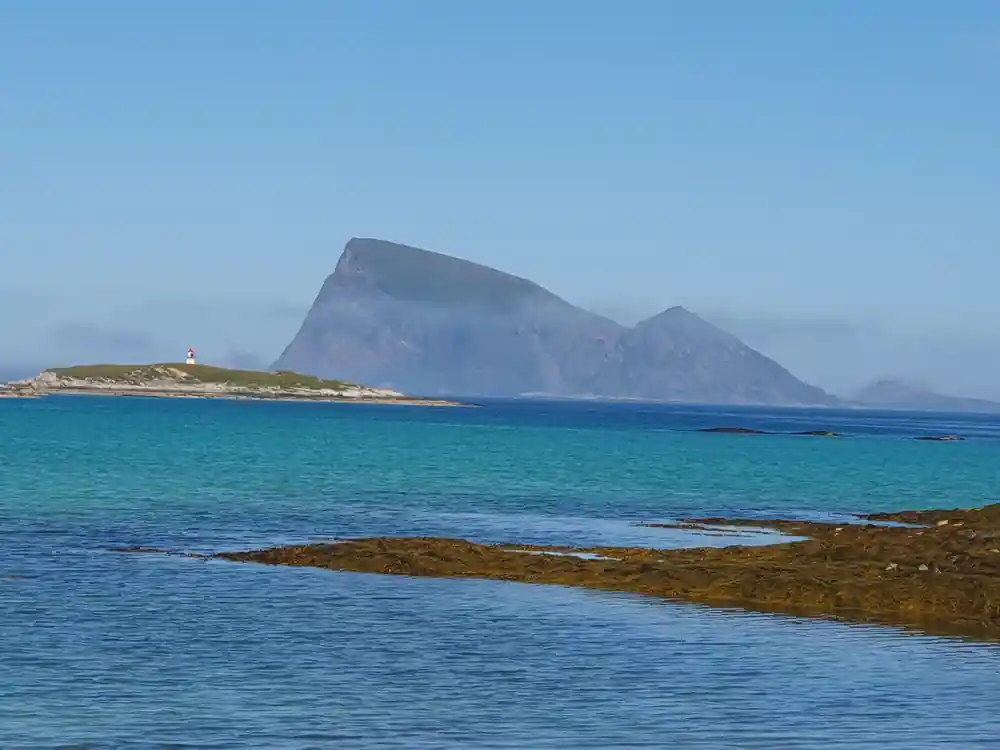
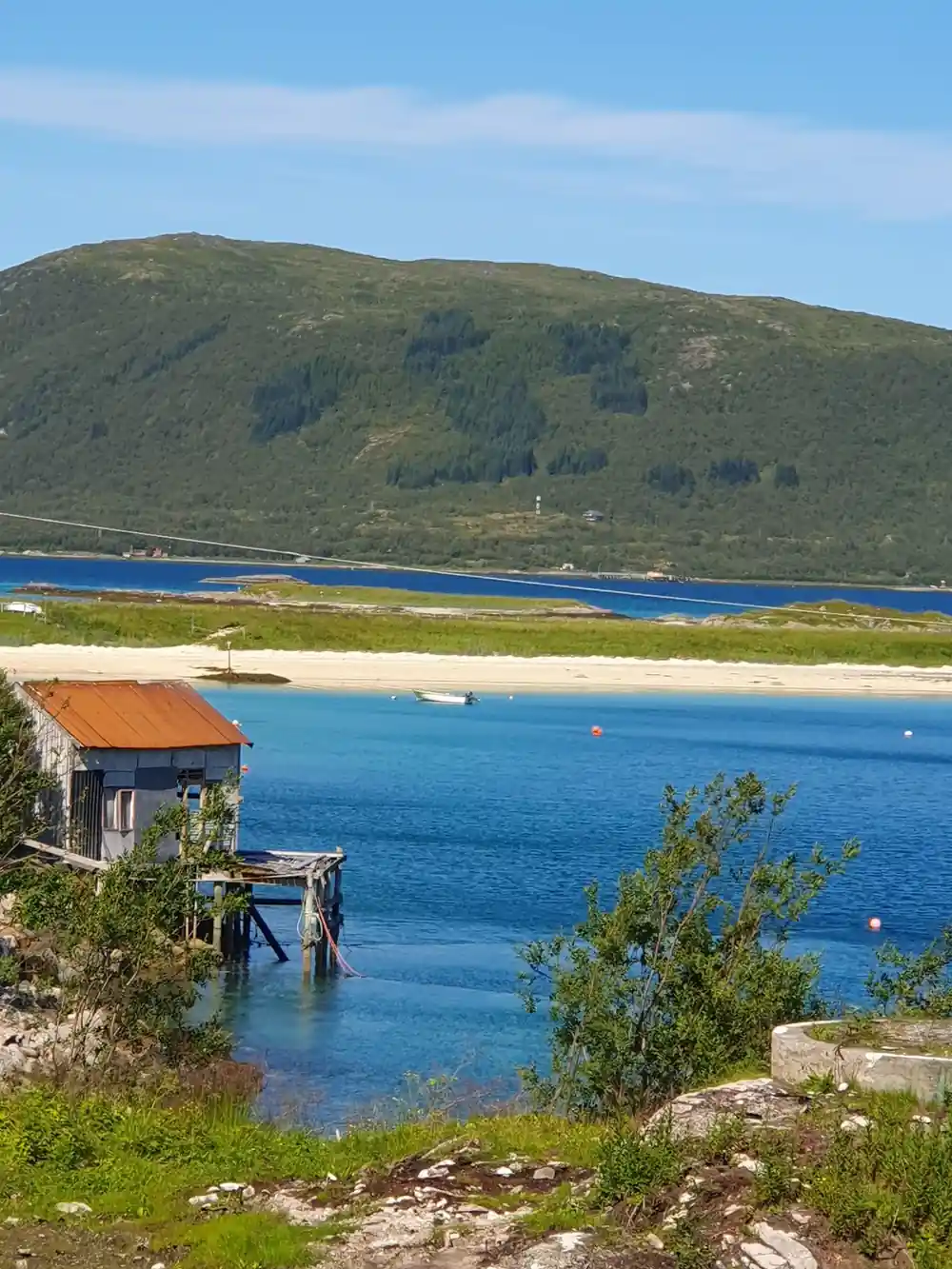
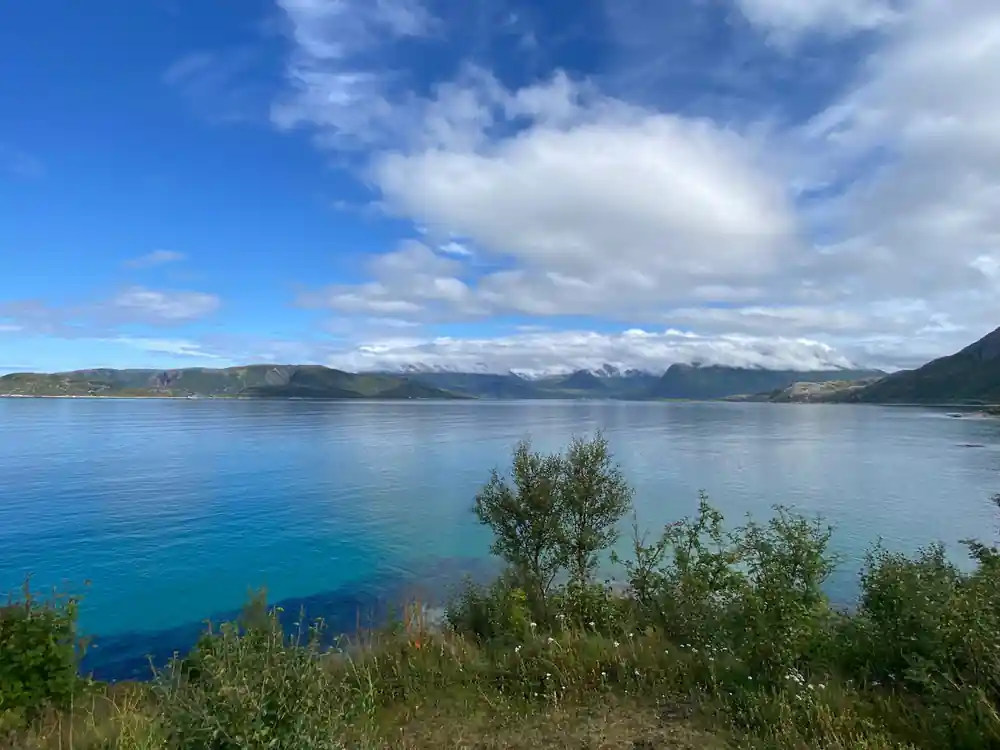
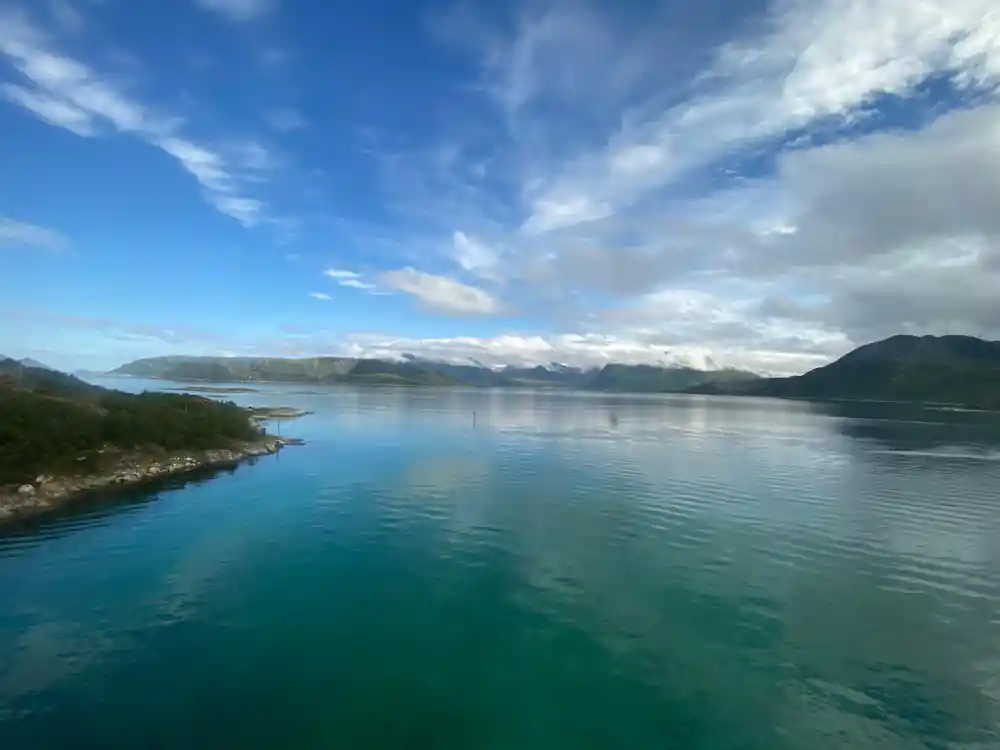
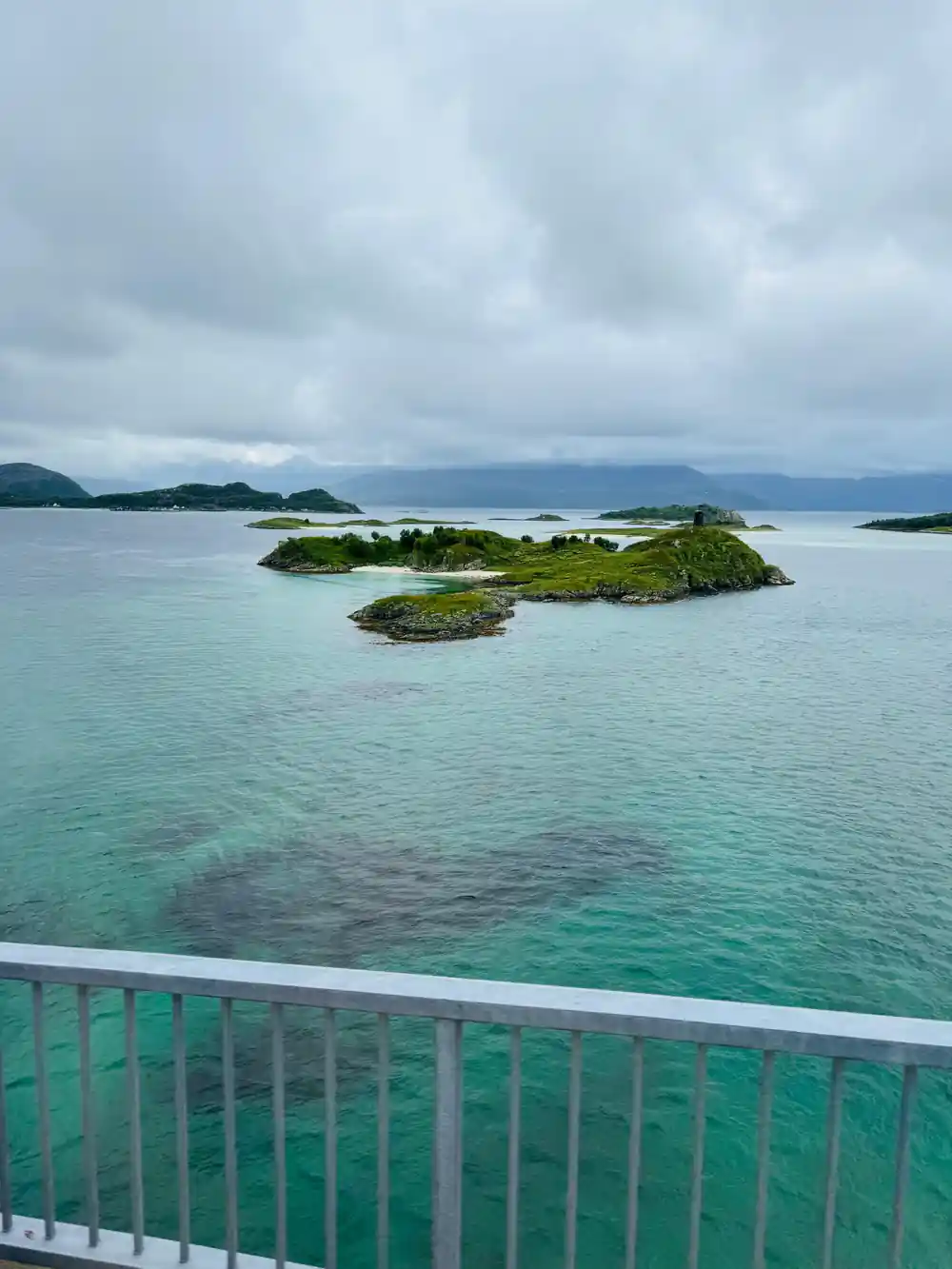
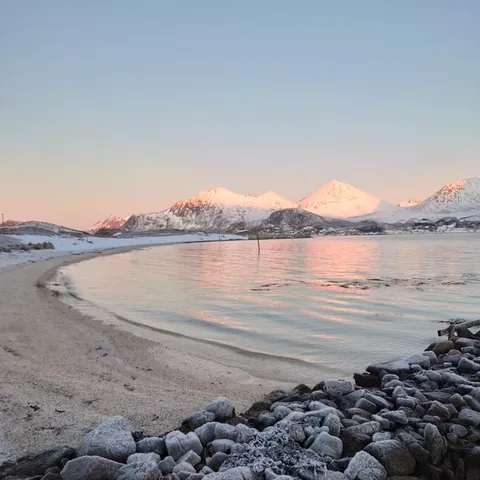
The word fjord tends to summon a boat, and for good reason: the classic image of western Norway is a vessel dwarfed by walls of rock. The country around Tromso works differently, and so does the best way to see it. Here the land is broken into a scatter of islands with water running between them in every direction, and the road hops from one to the next.
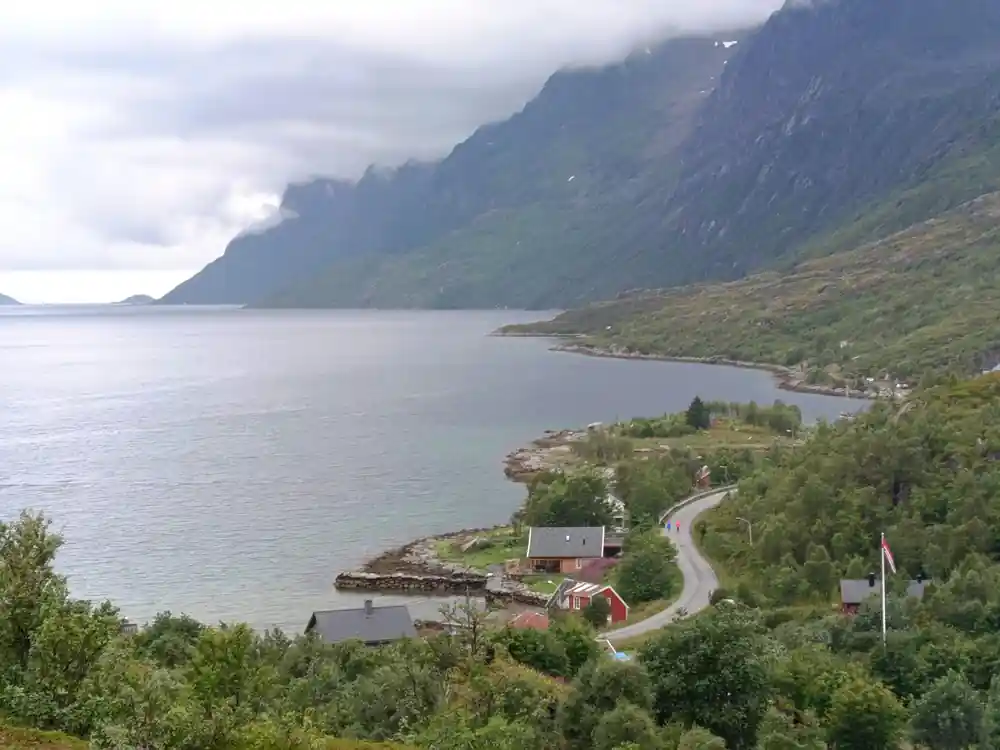
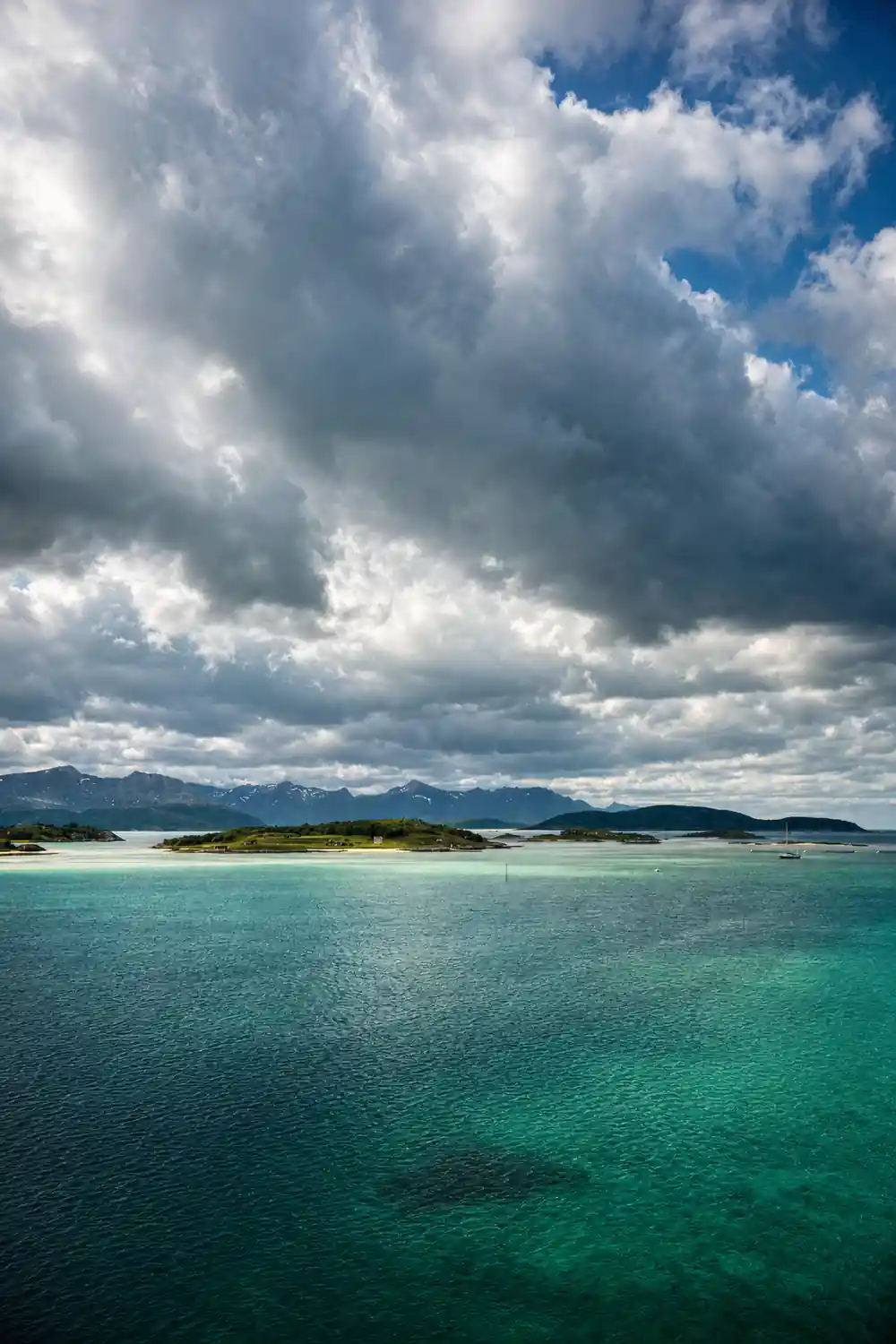
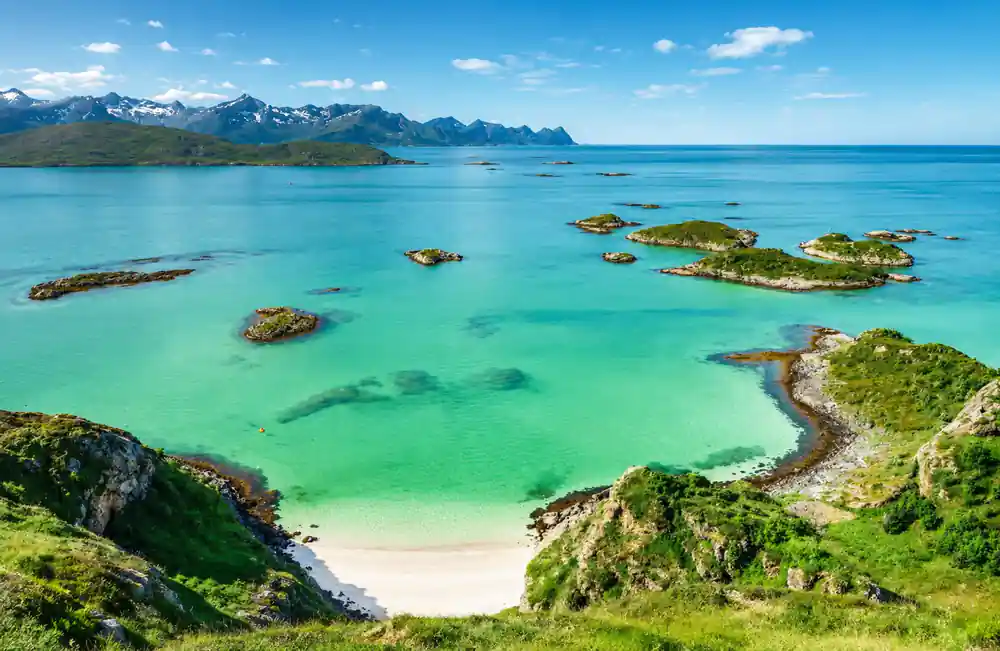
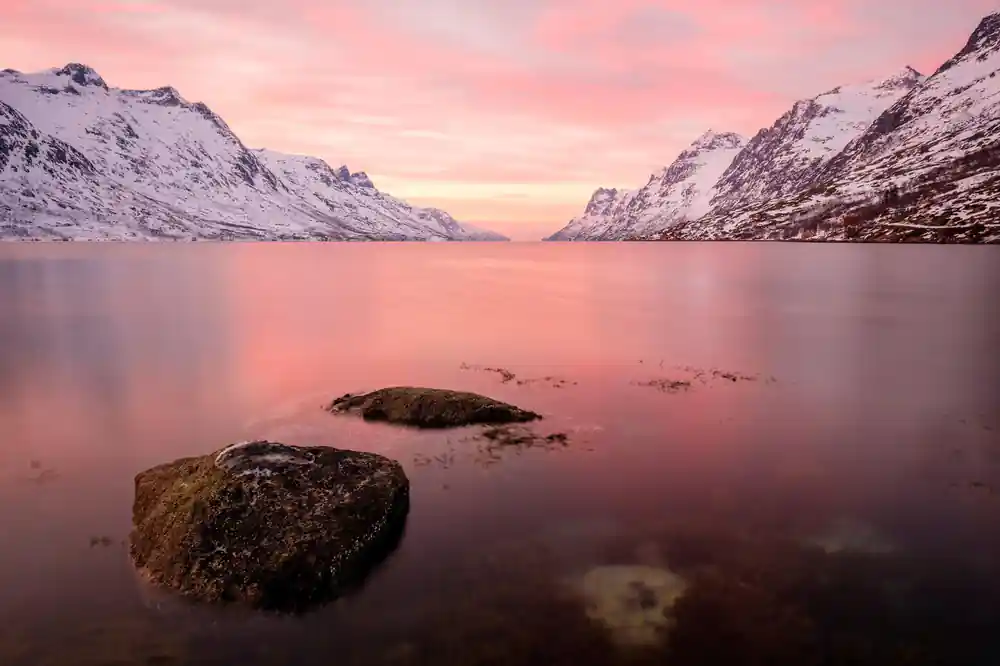
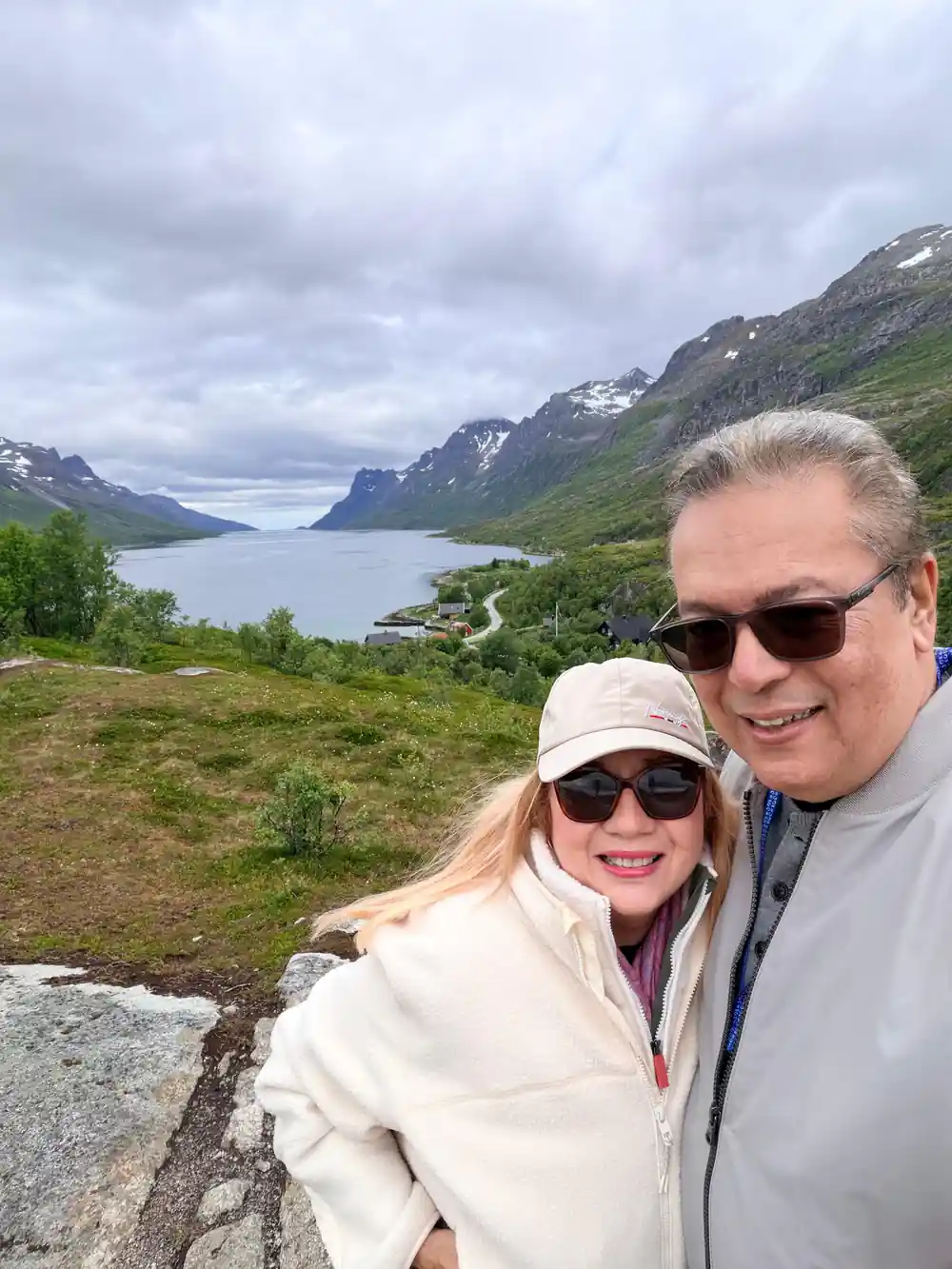
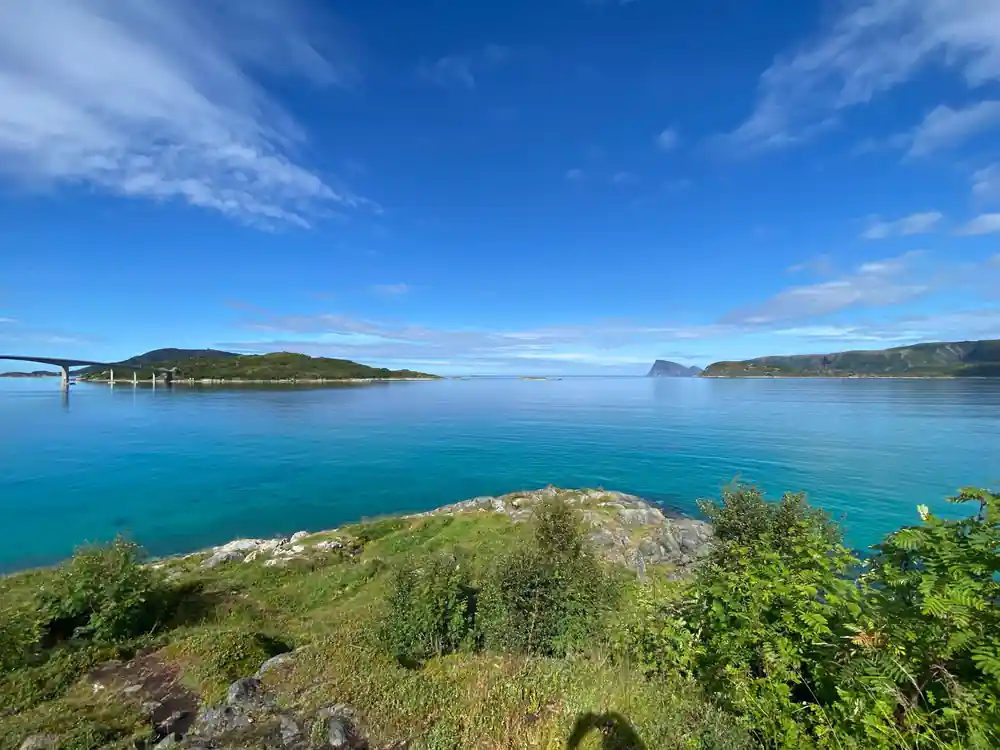
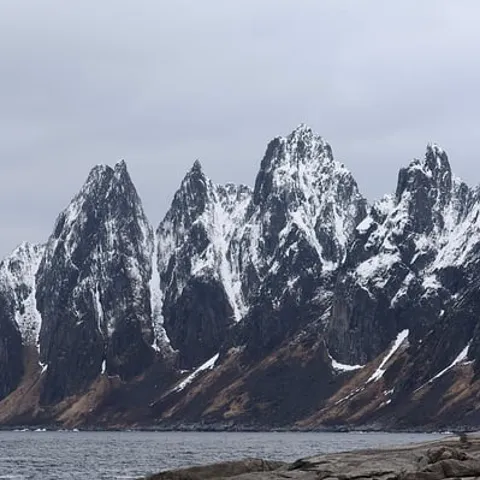
That geography rewards height. From a viewpoint above the water you see the shape of the whole system at once, the channels between islands, the mountains standing behind them and the open sea beyond. A boat puts you inside one channel at a time. A road puts you above several, and then drives you to the next one.
Where the route goes
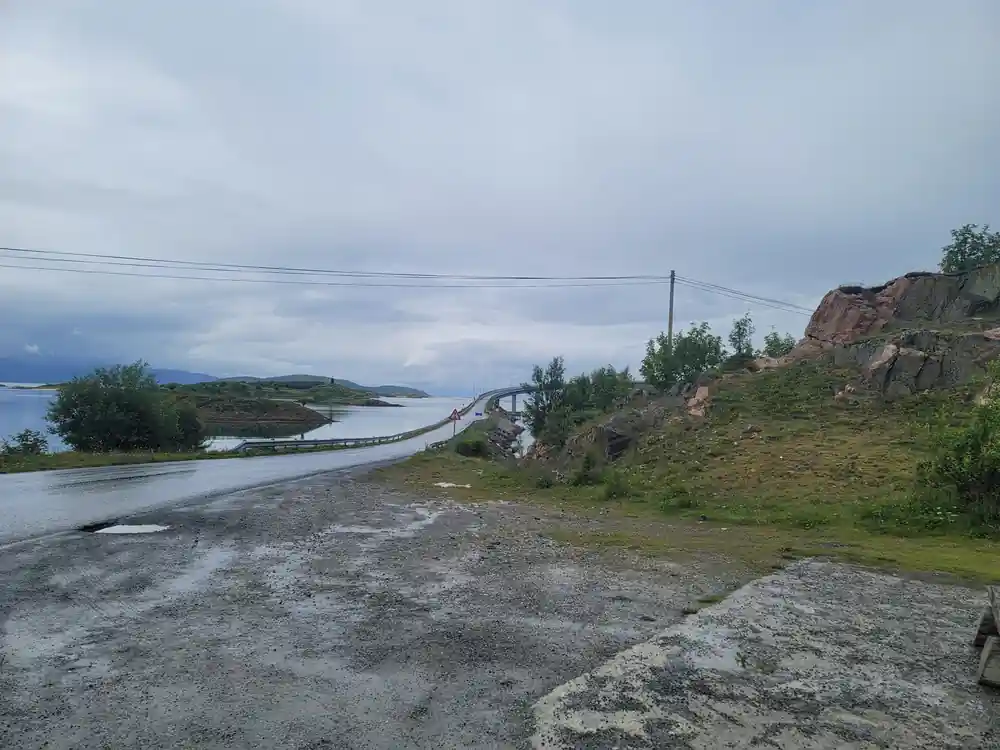
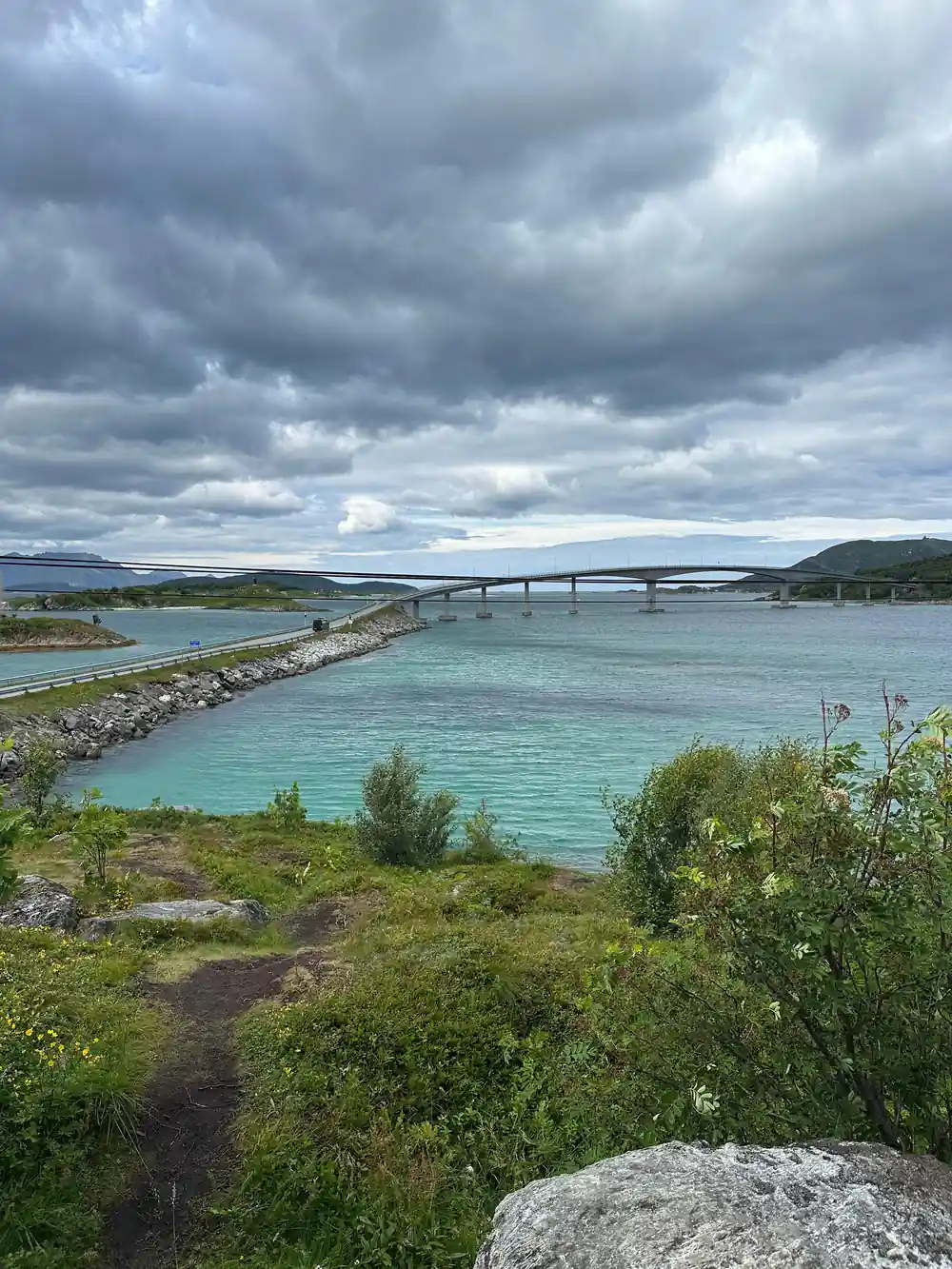
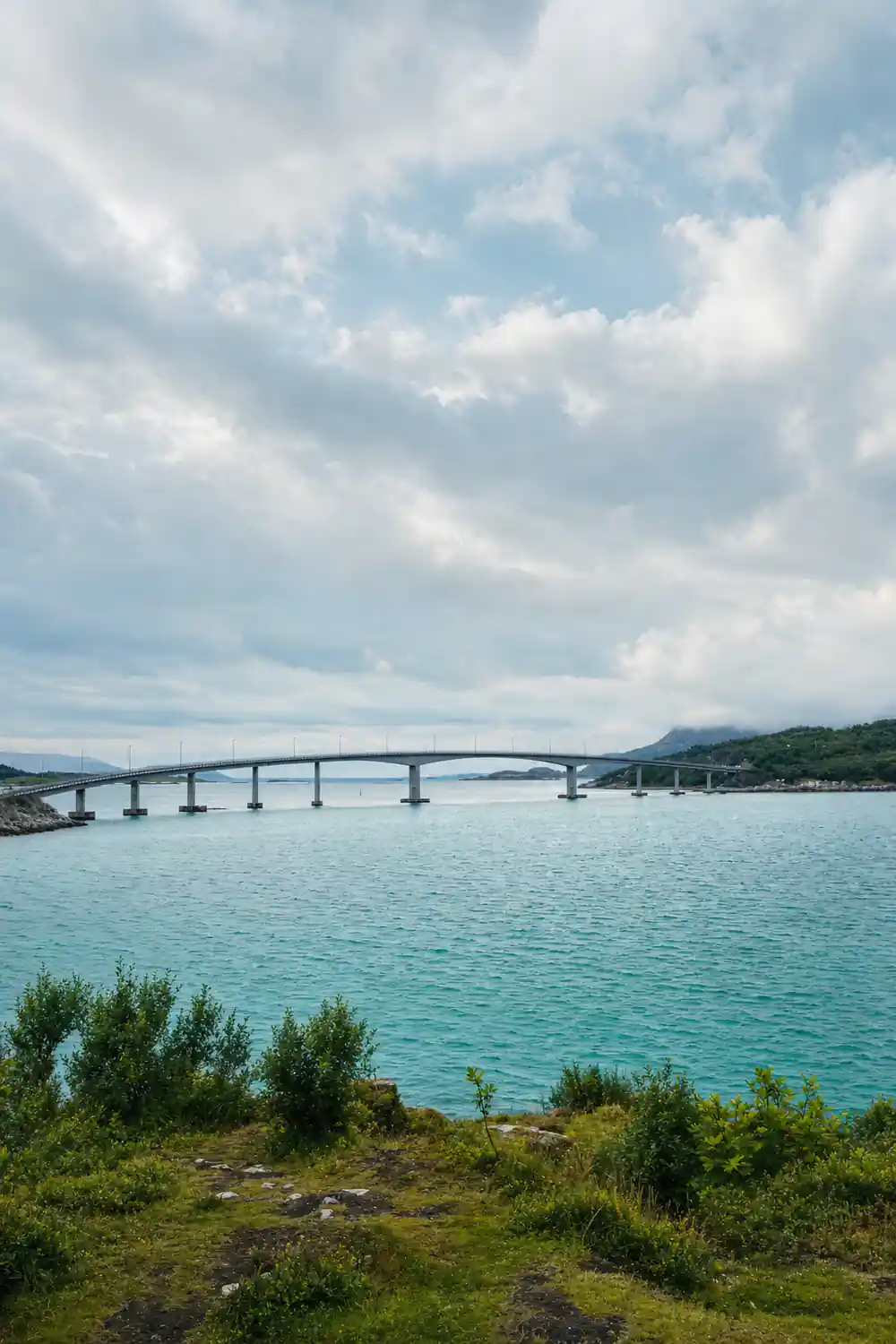
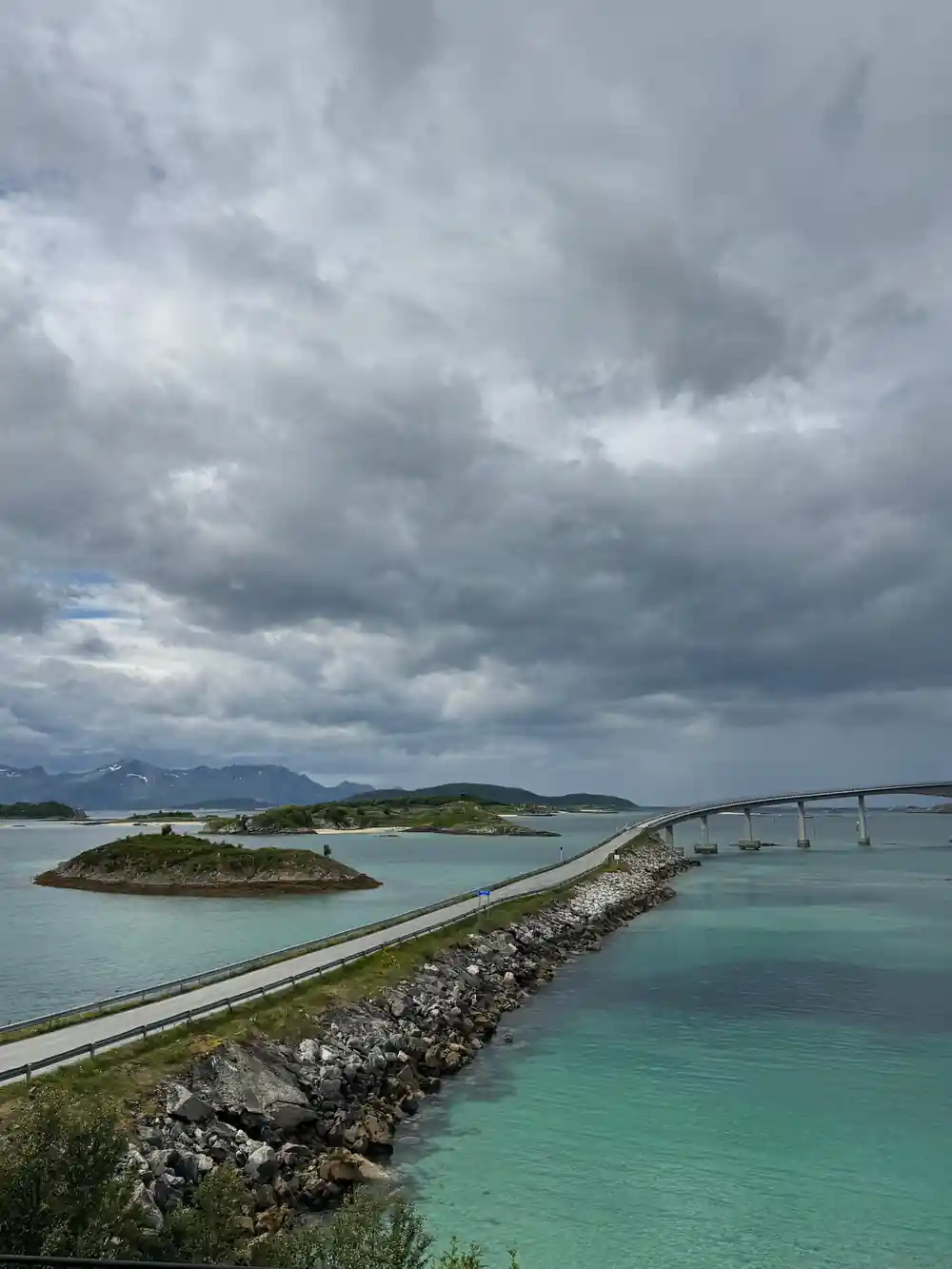
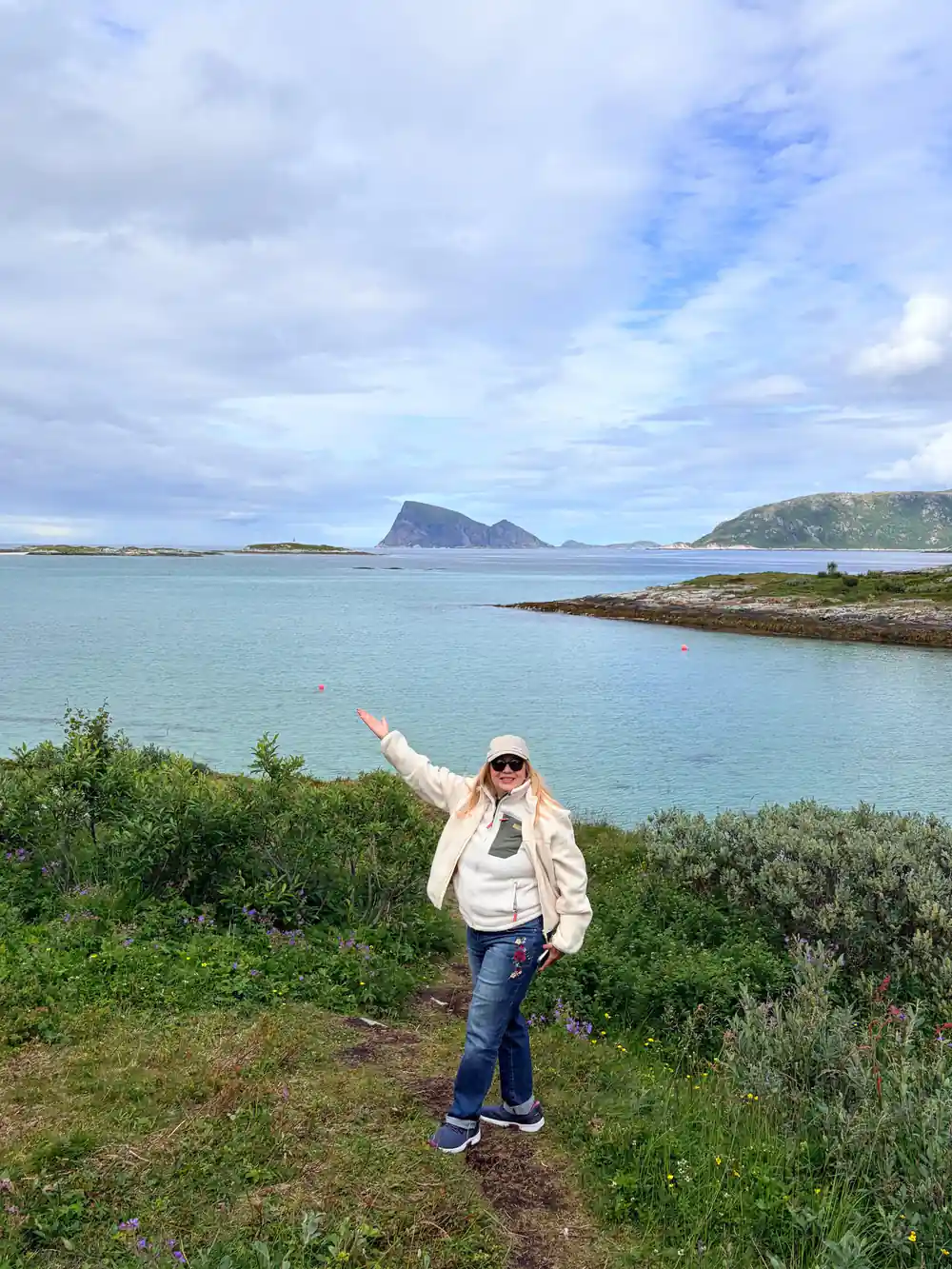
West, out of the city and across to Kvaloya, the large island immediately beyond Tromso, and then along its outer coast toward the smaller islands at the edge of the Norwegian Sea. The bridges and causeways that make this possible are worth attention in their own right, since building a road network across an Arctic archipelago is not a small undertaking.
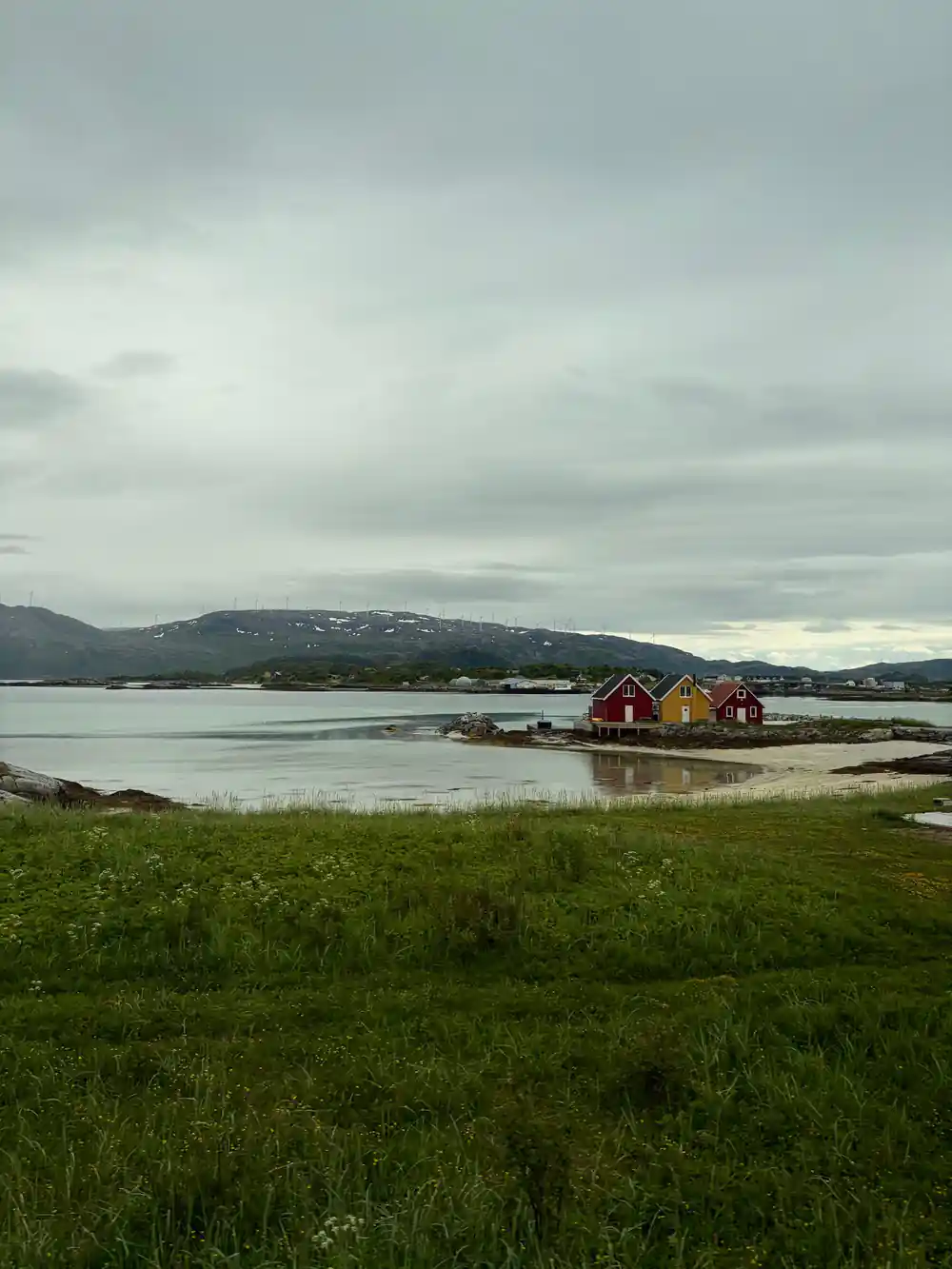
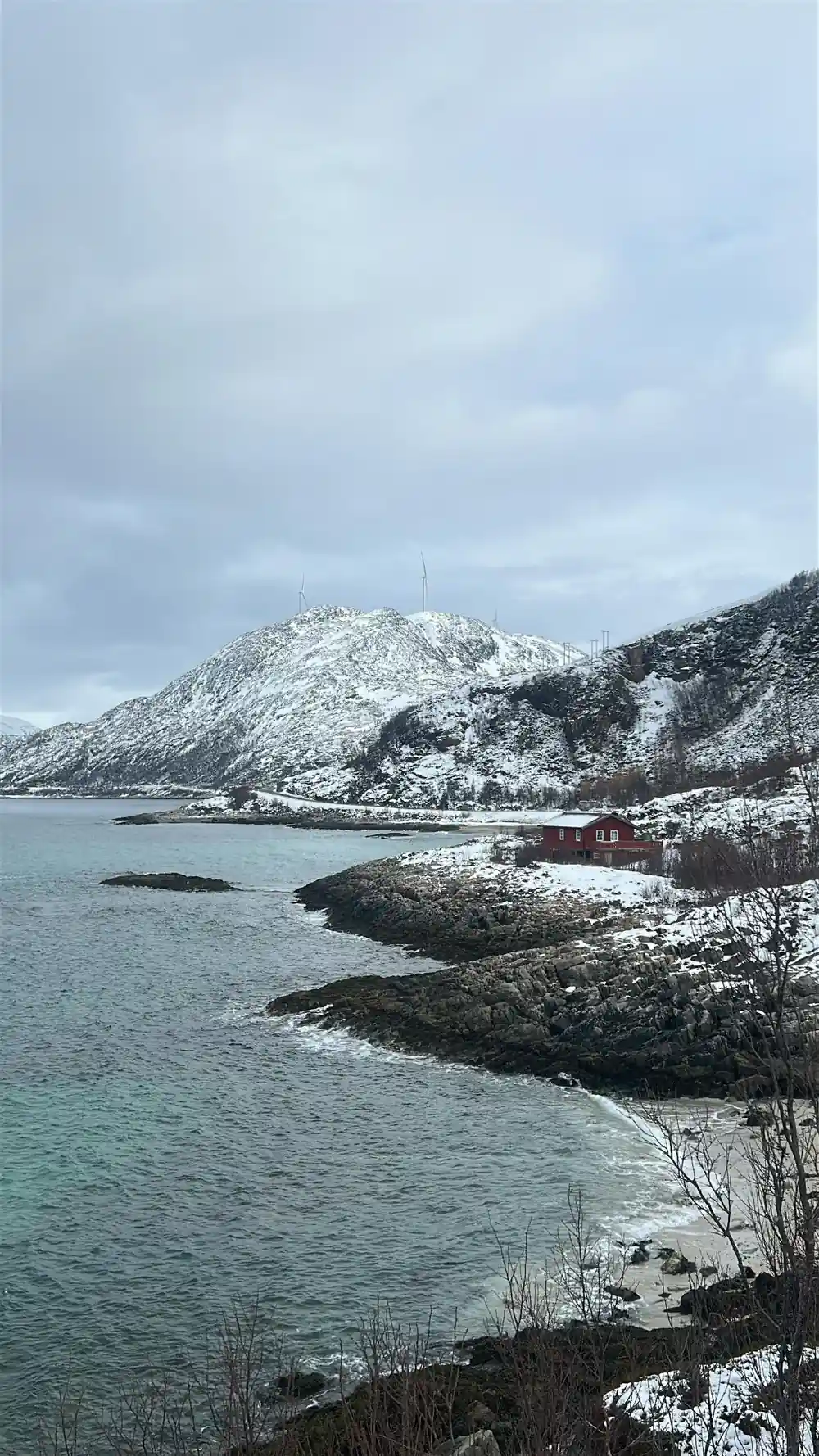
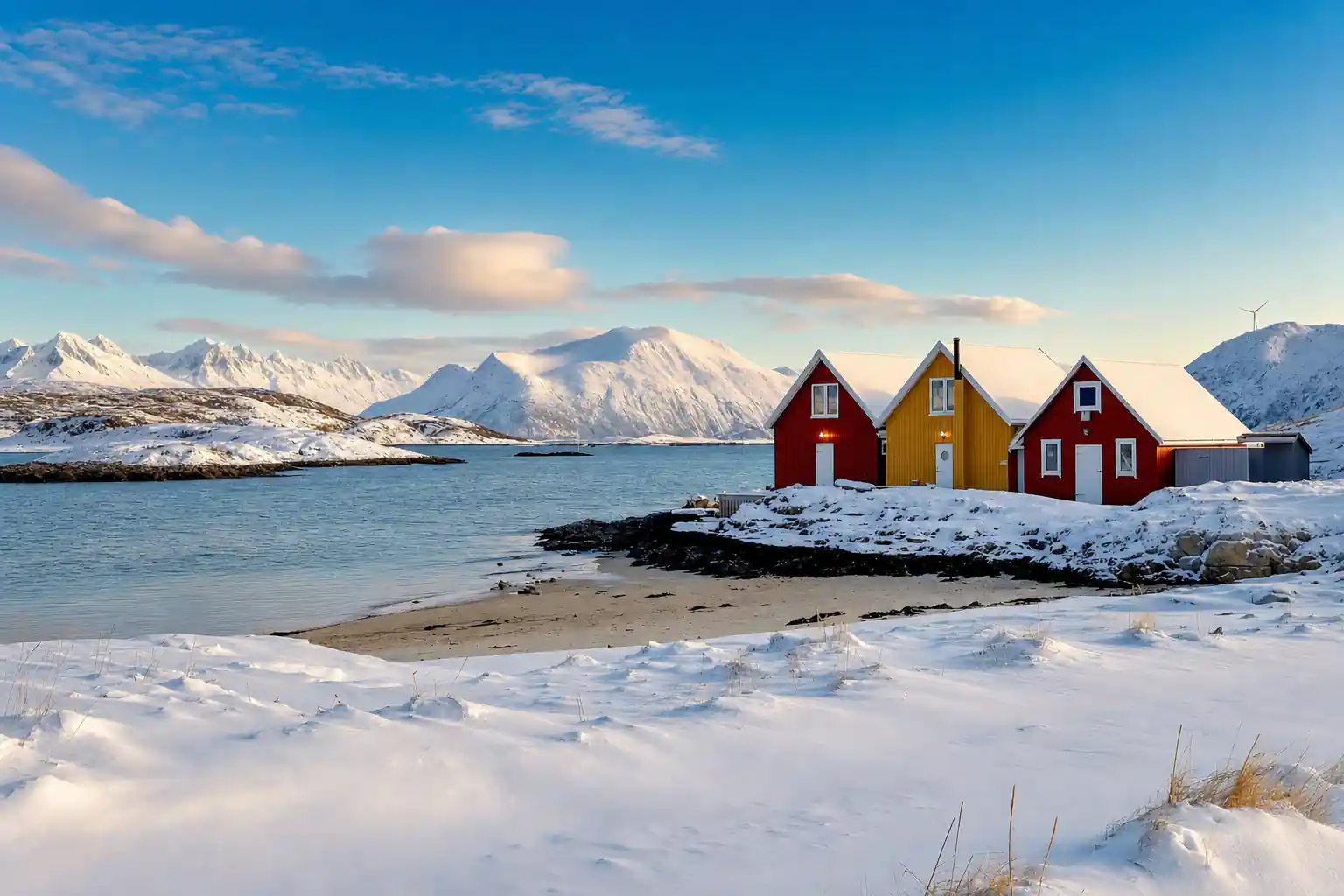
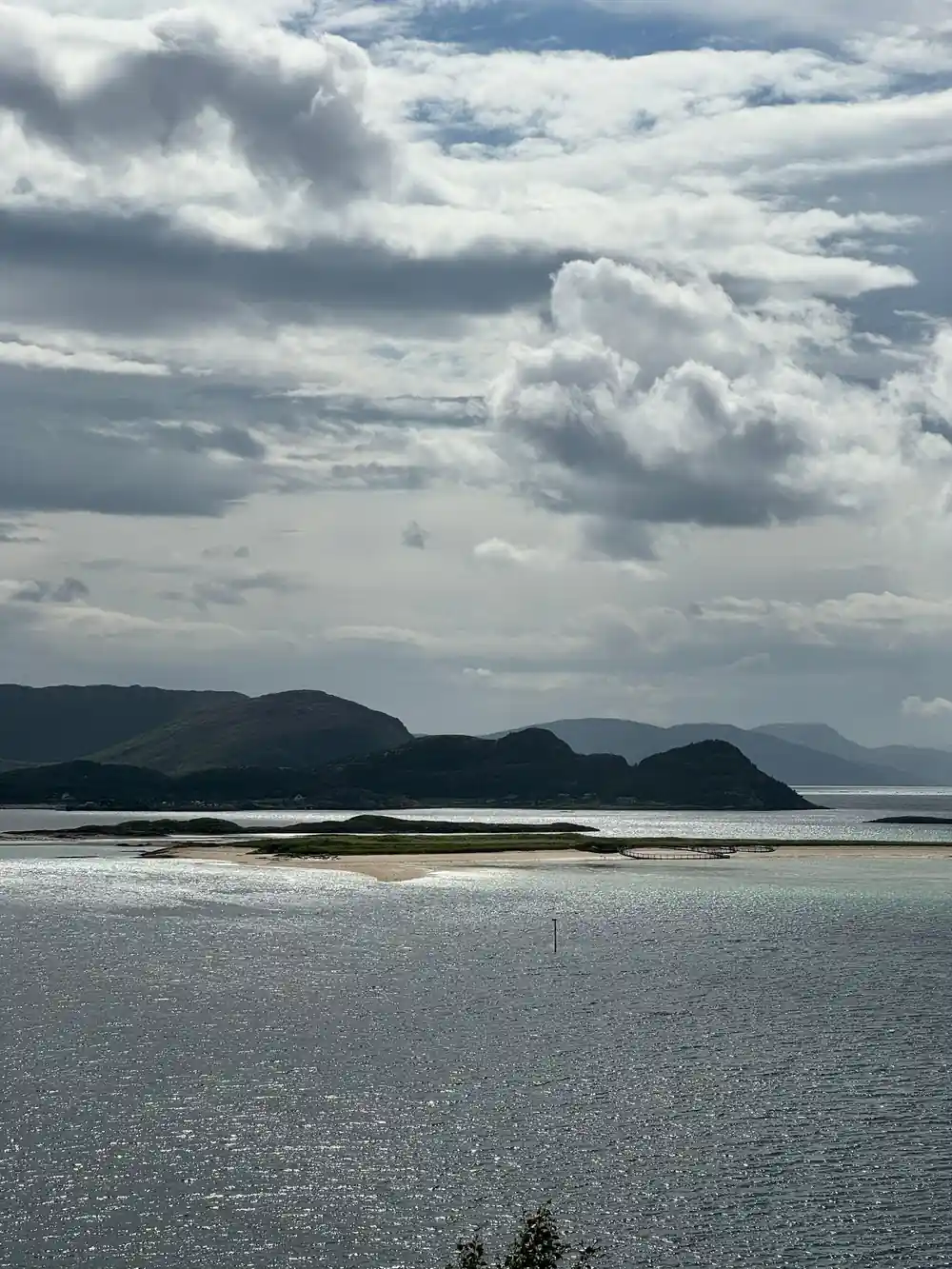
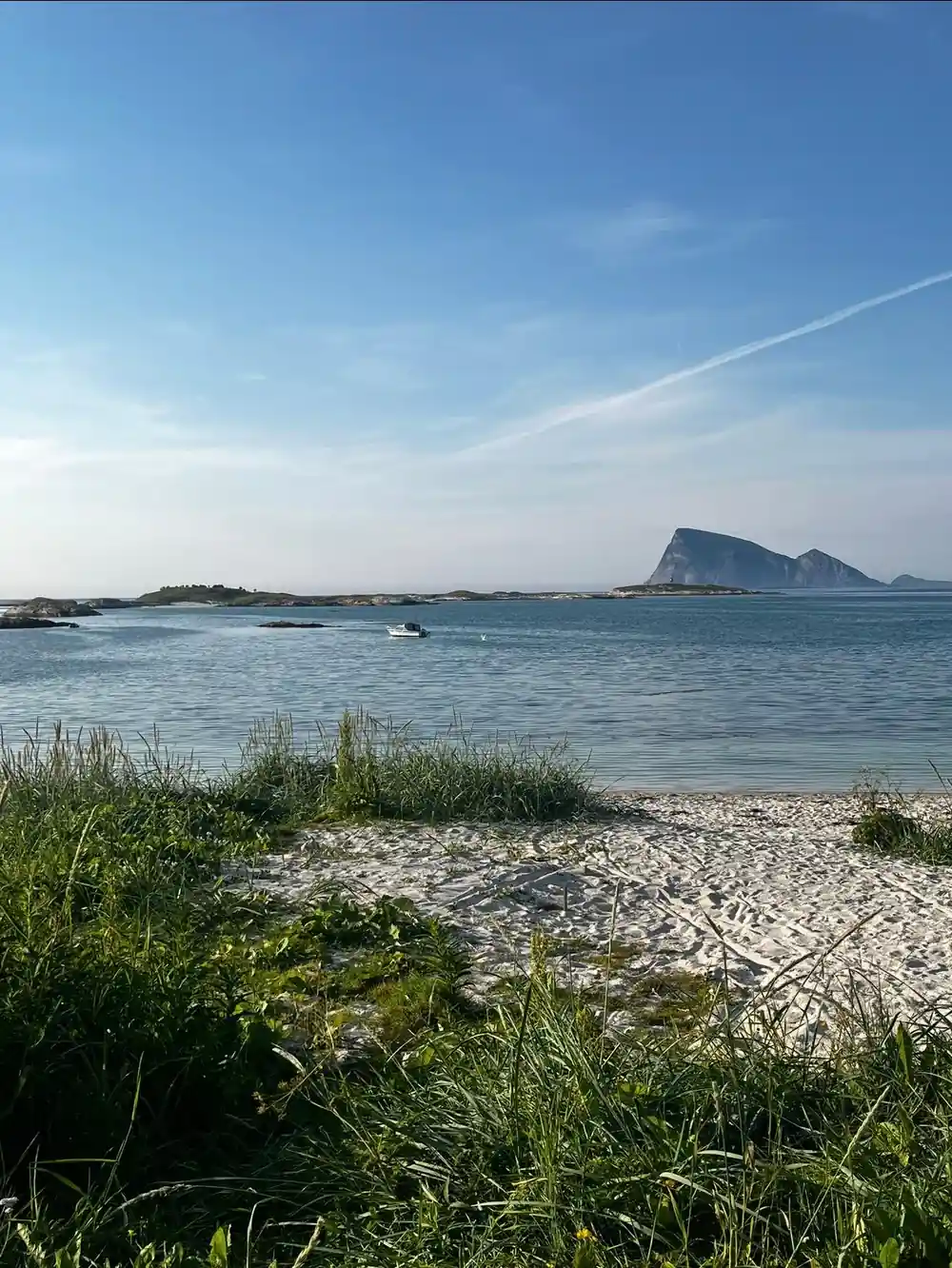
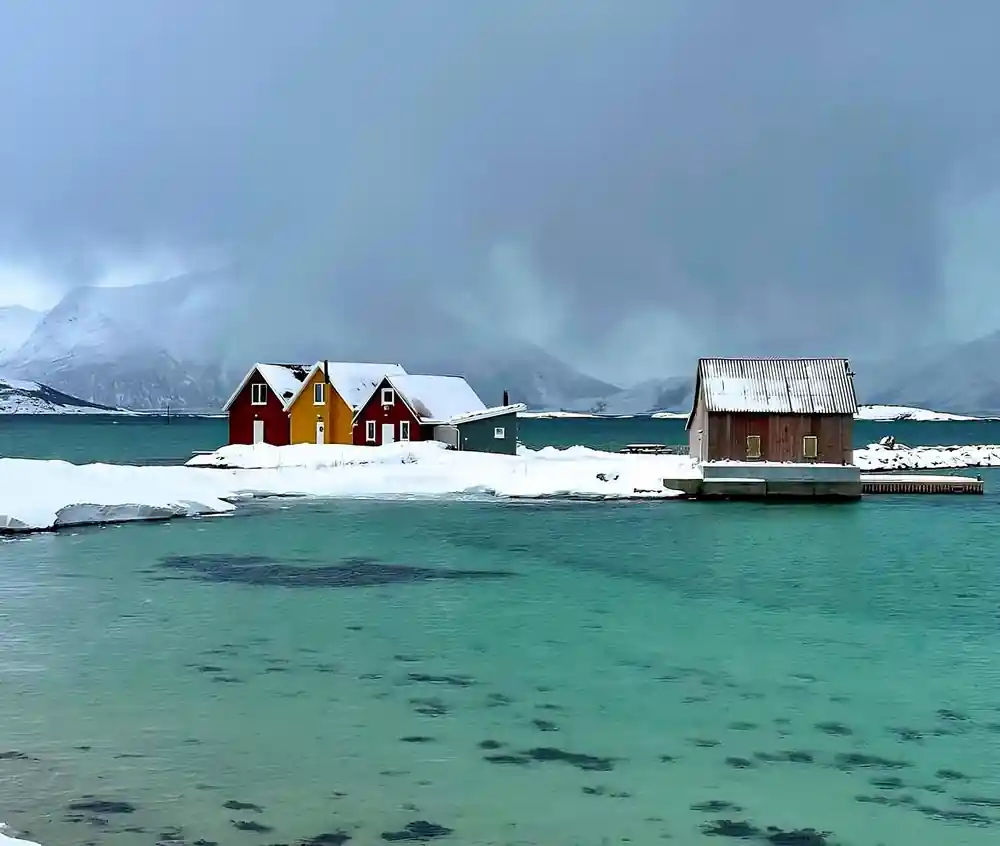
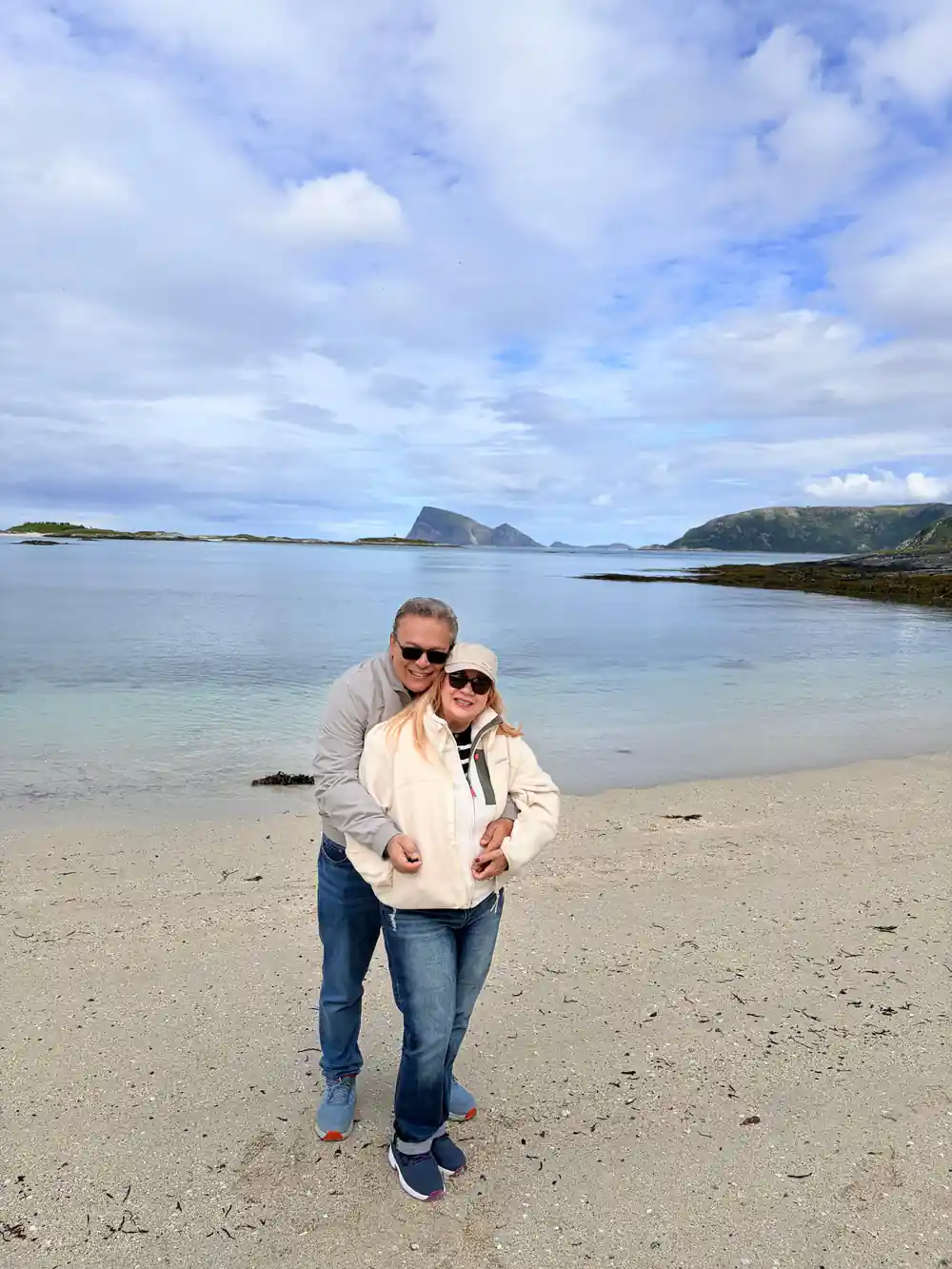
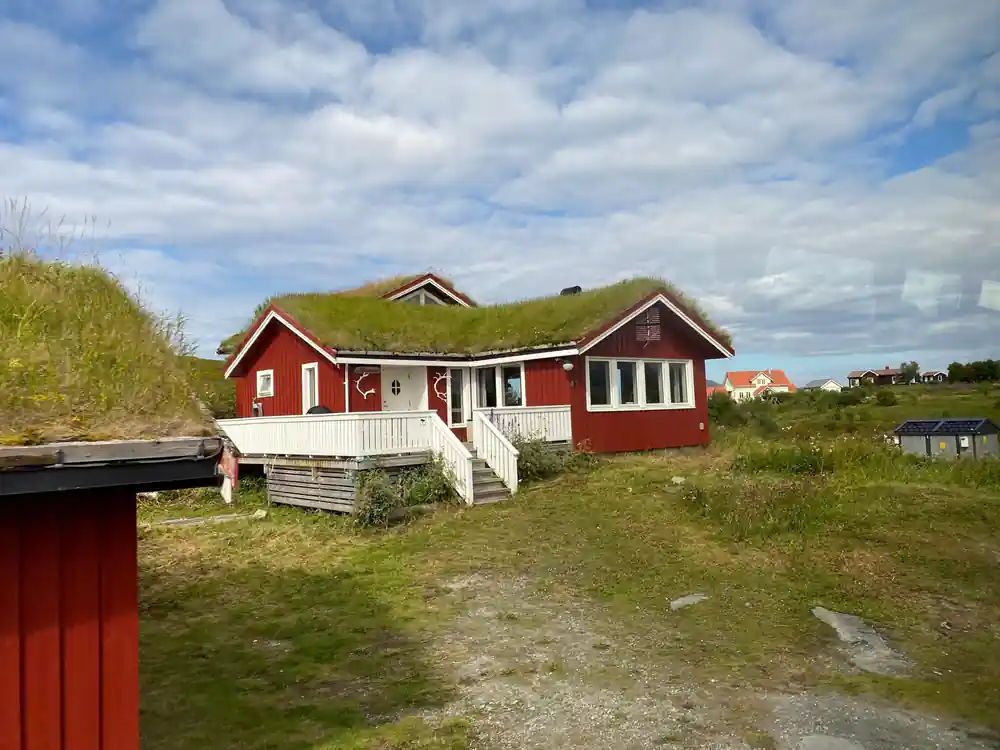
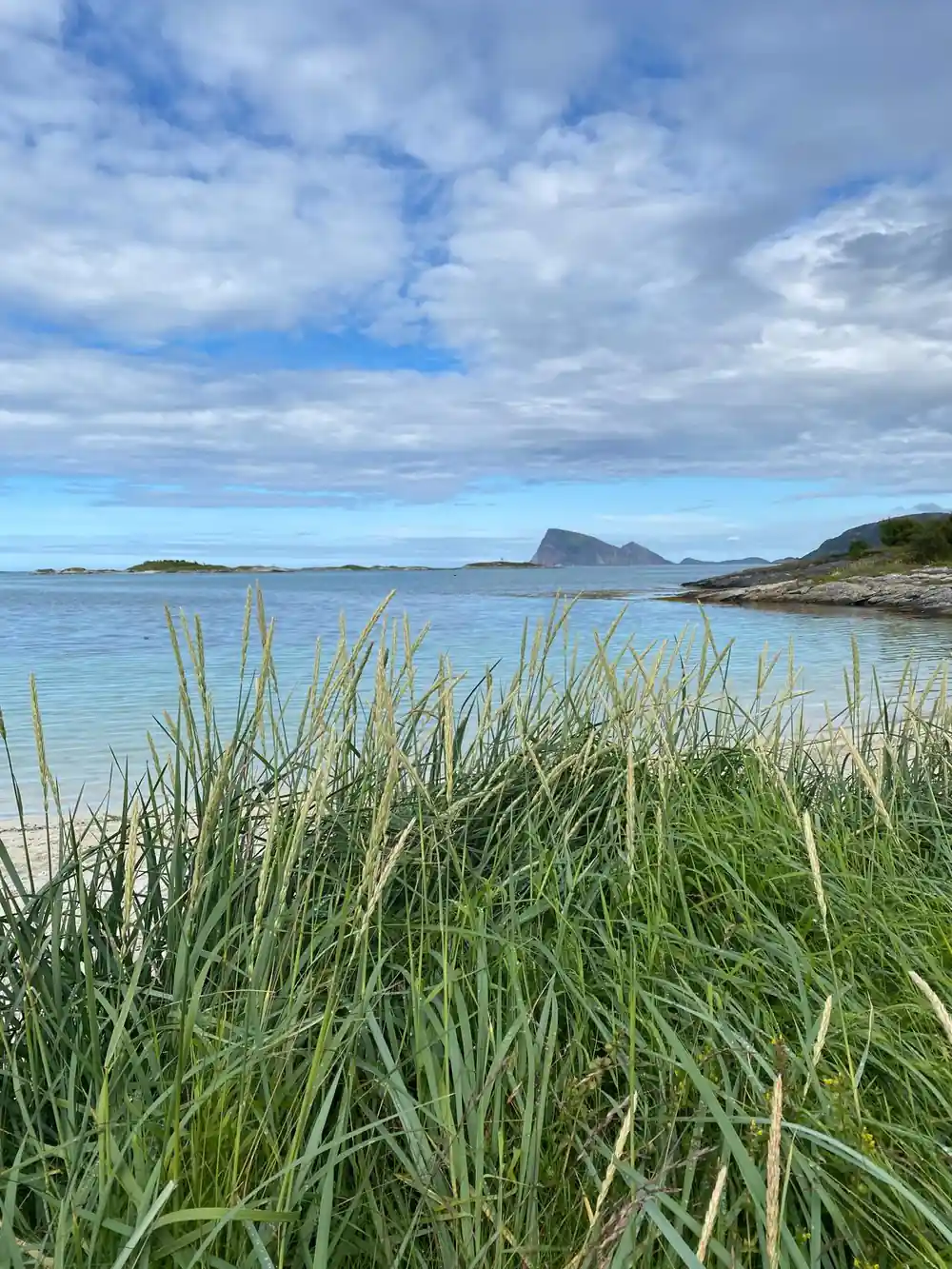
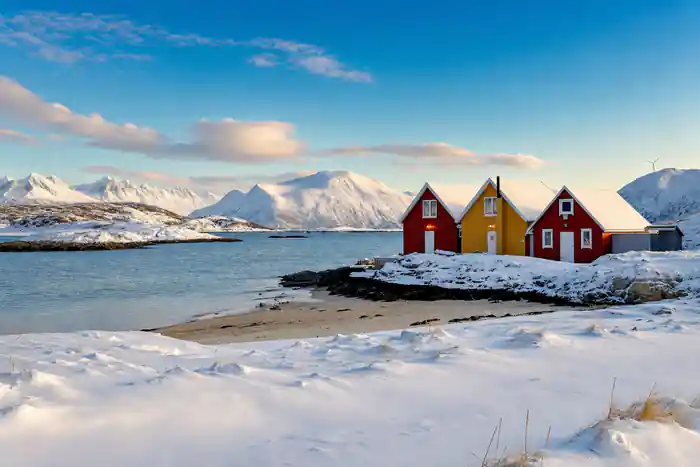
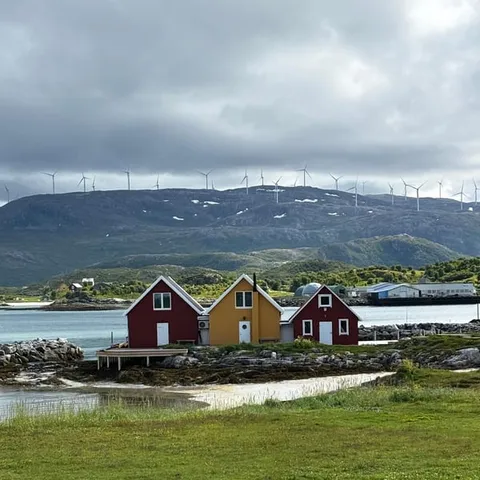
The character of the country changes as you go. You start with a city and suburbs, pass through farmland and scattered settlement, and end on bare low islands where the ground is rock and grass and there is nothing between you and open water. The last stretch is the one people remember.
Stops, and why they matter more than distance
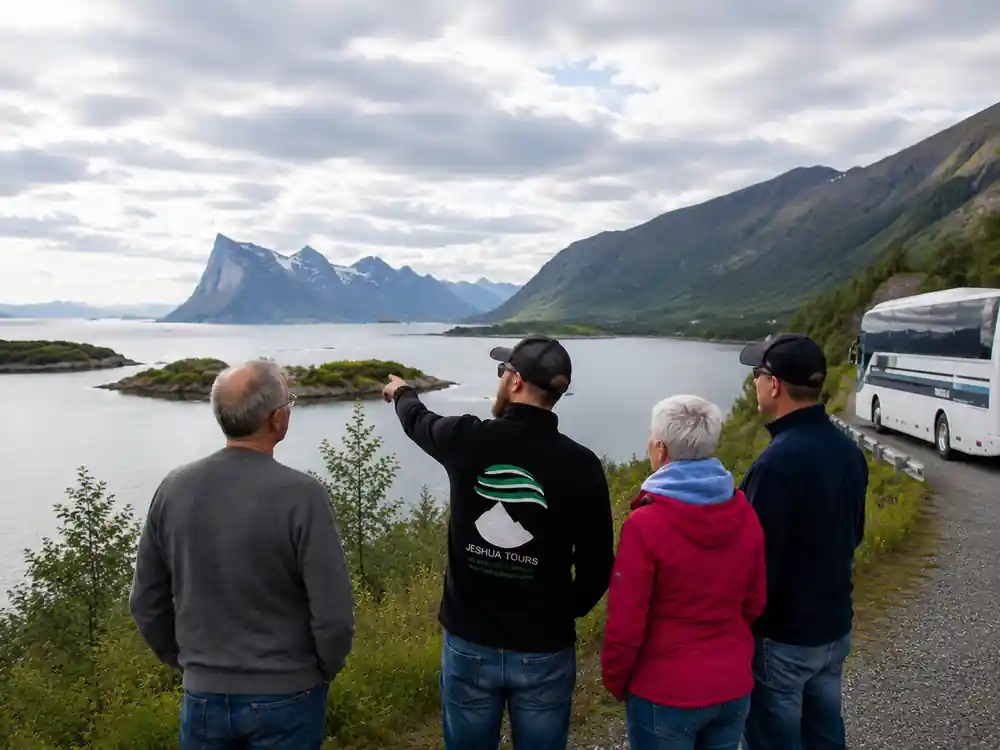
A road expedition is defined by where it stops rather than how far it drives. This one takes in a series of viewpoints along the coast, each chosen for what it shows rather than for convenience, and guests consistently describe stopping at places they would never have located themselves.
Stepping outside is never compulsory. Should ice, wind or rough footing make a stop feel unwise, staying in your seat is the sanctioned choice, and in a northern winter that permission is worth more than it sounds. Heated, with a lavatory aboard, the vehicle serves as somewhere to return to rather than simply a means of getting about.
The picnic on the coast
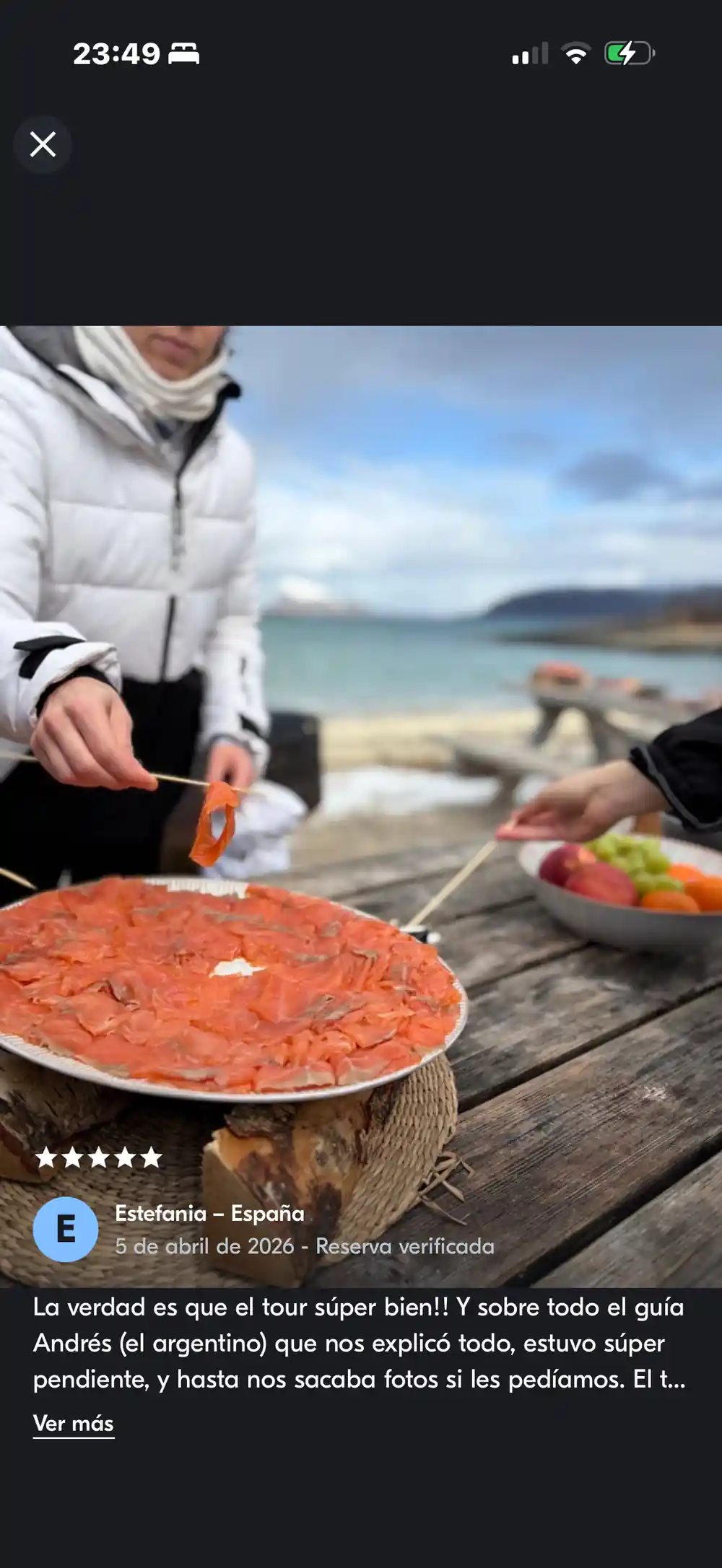
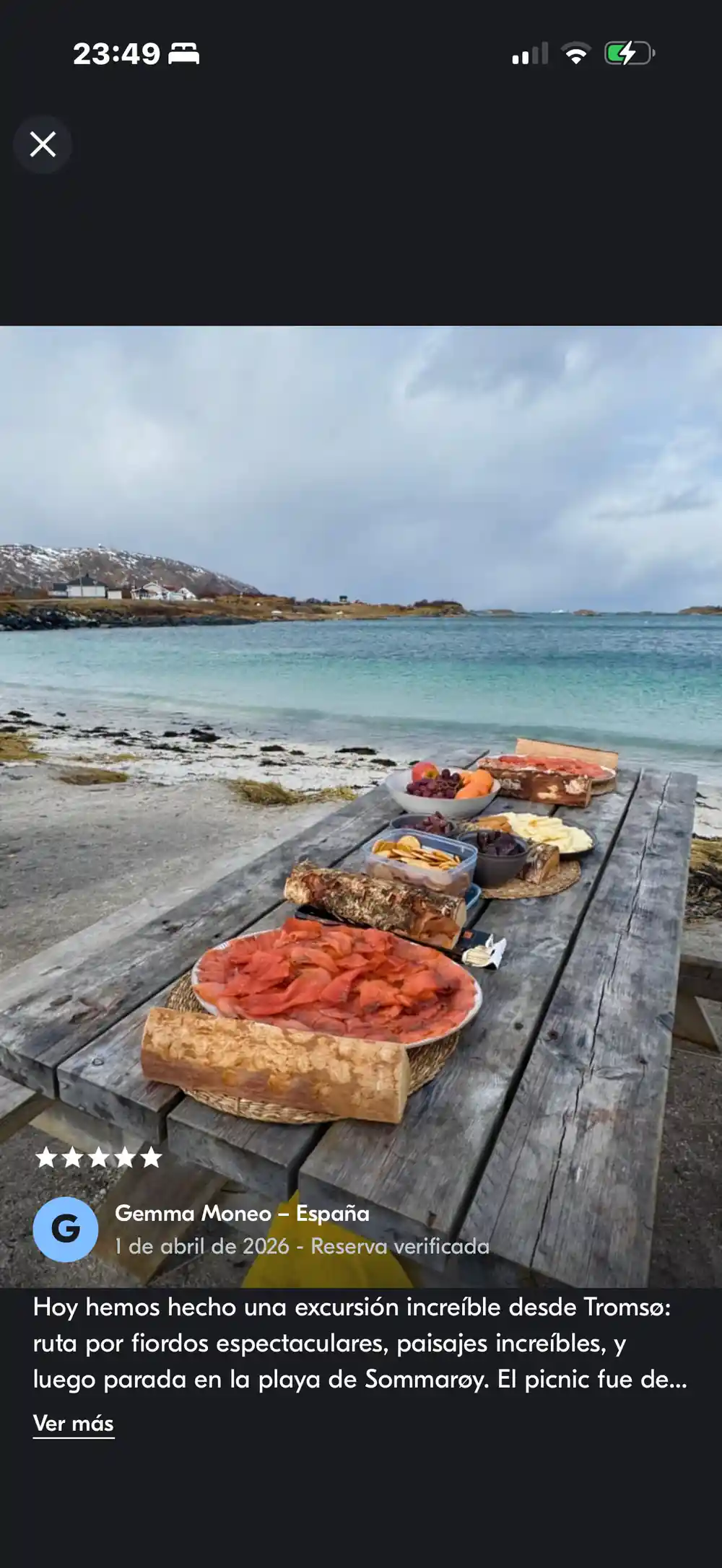
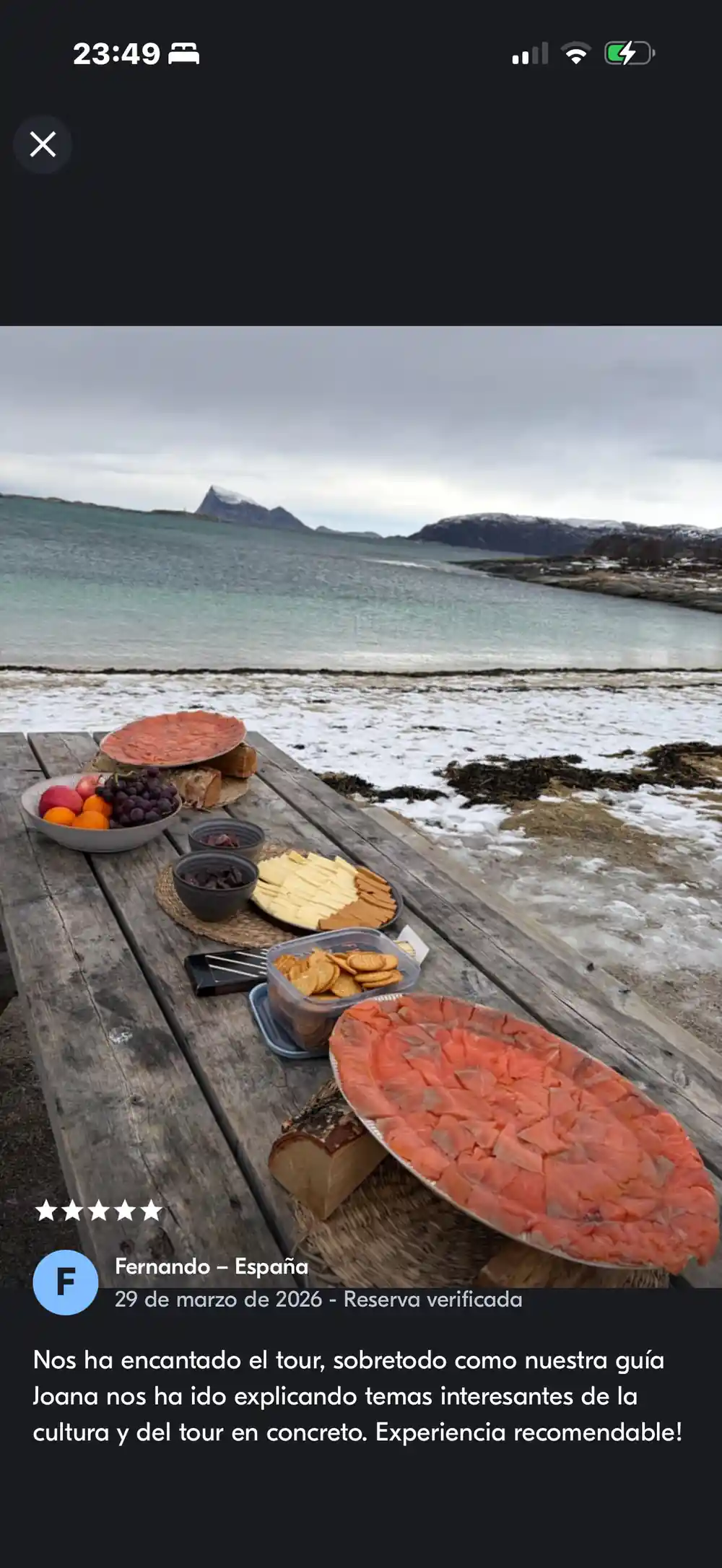
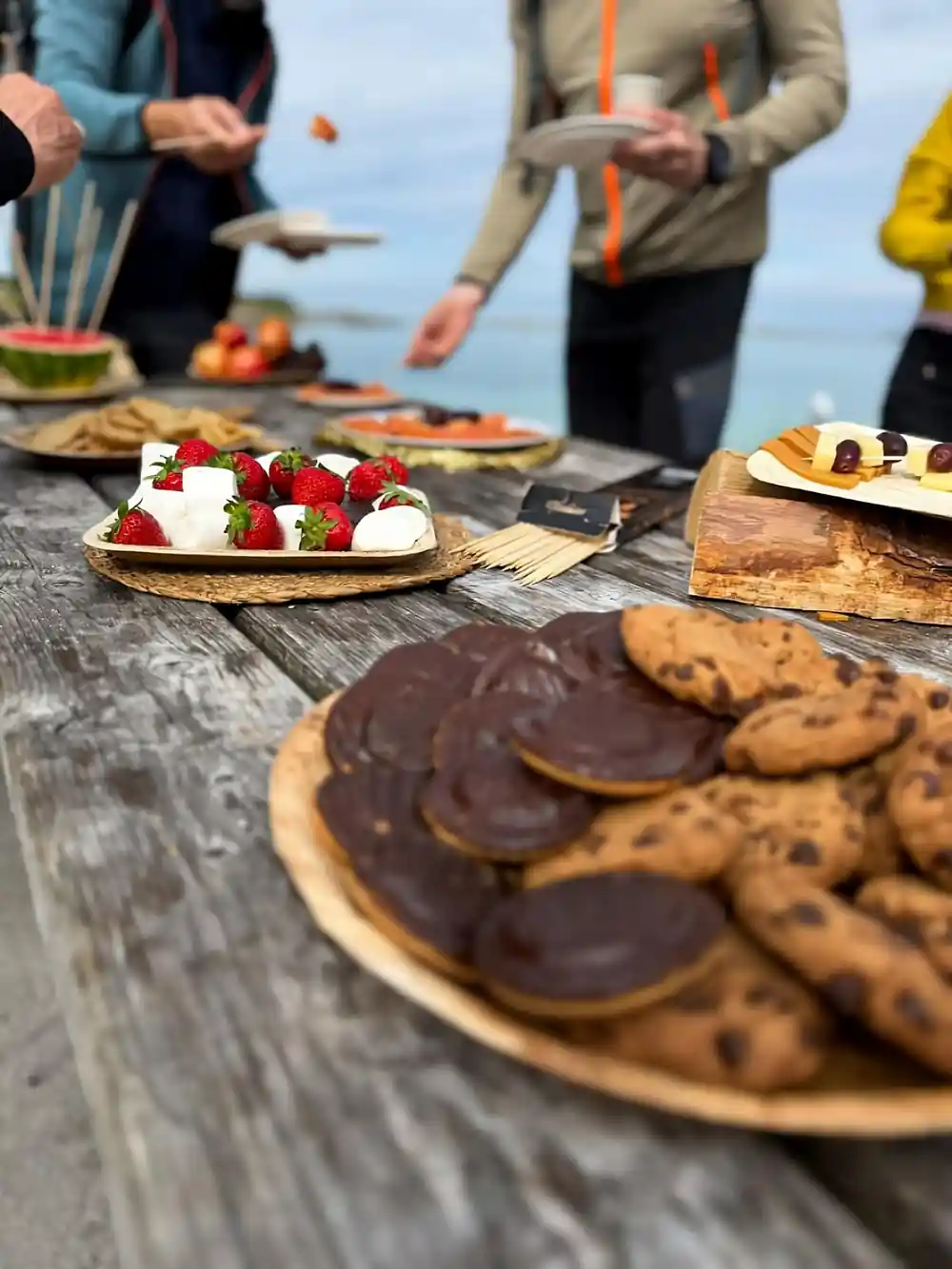
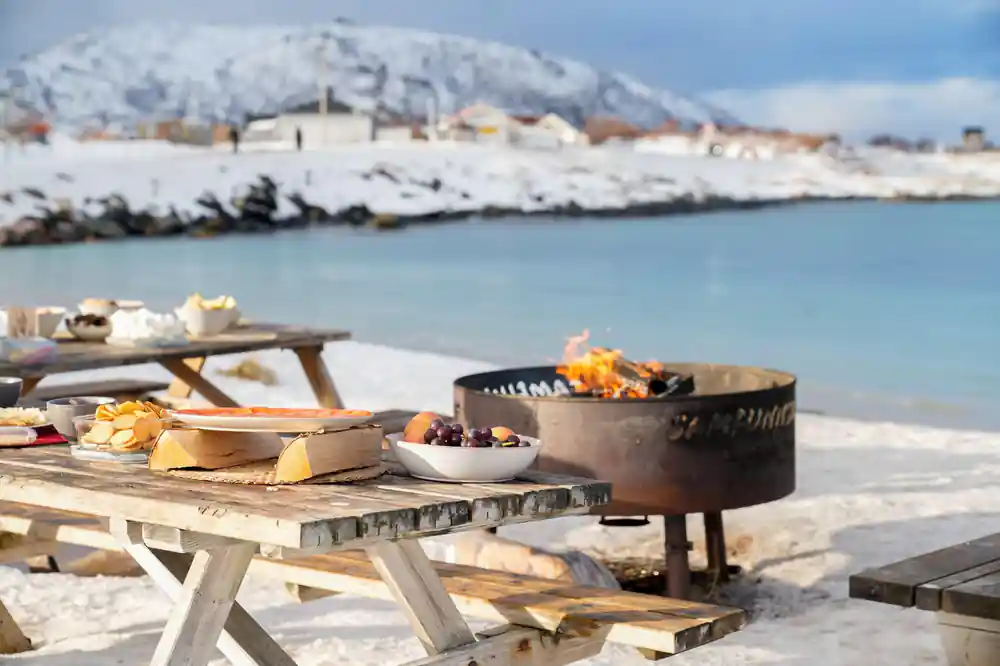
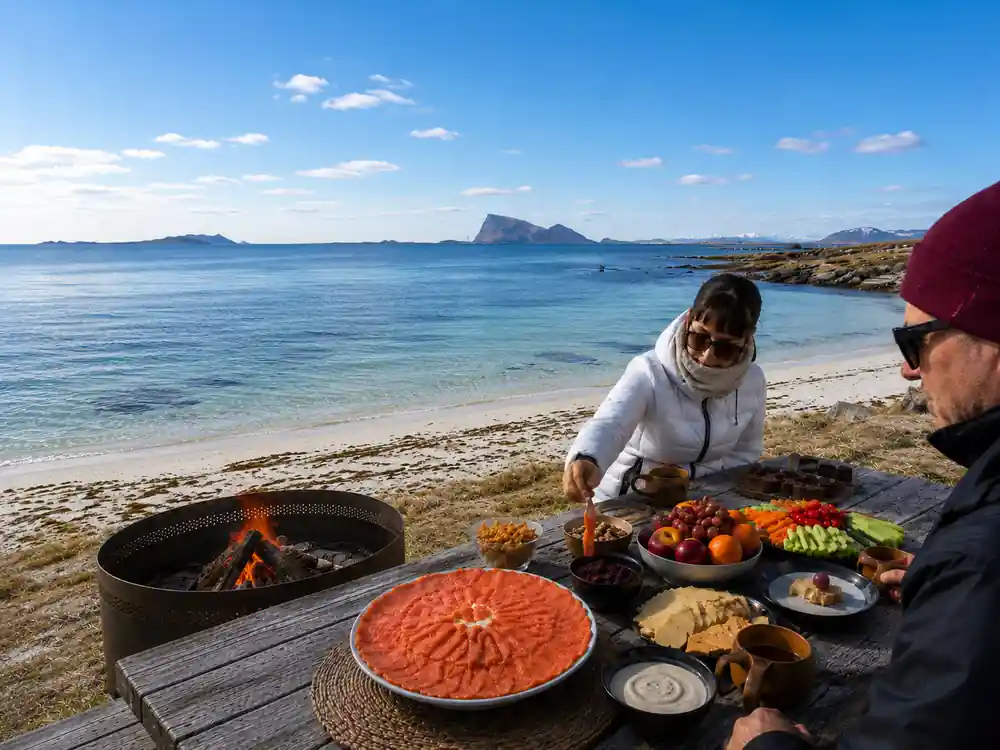
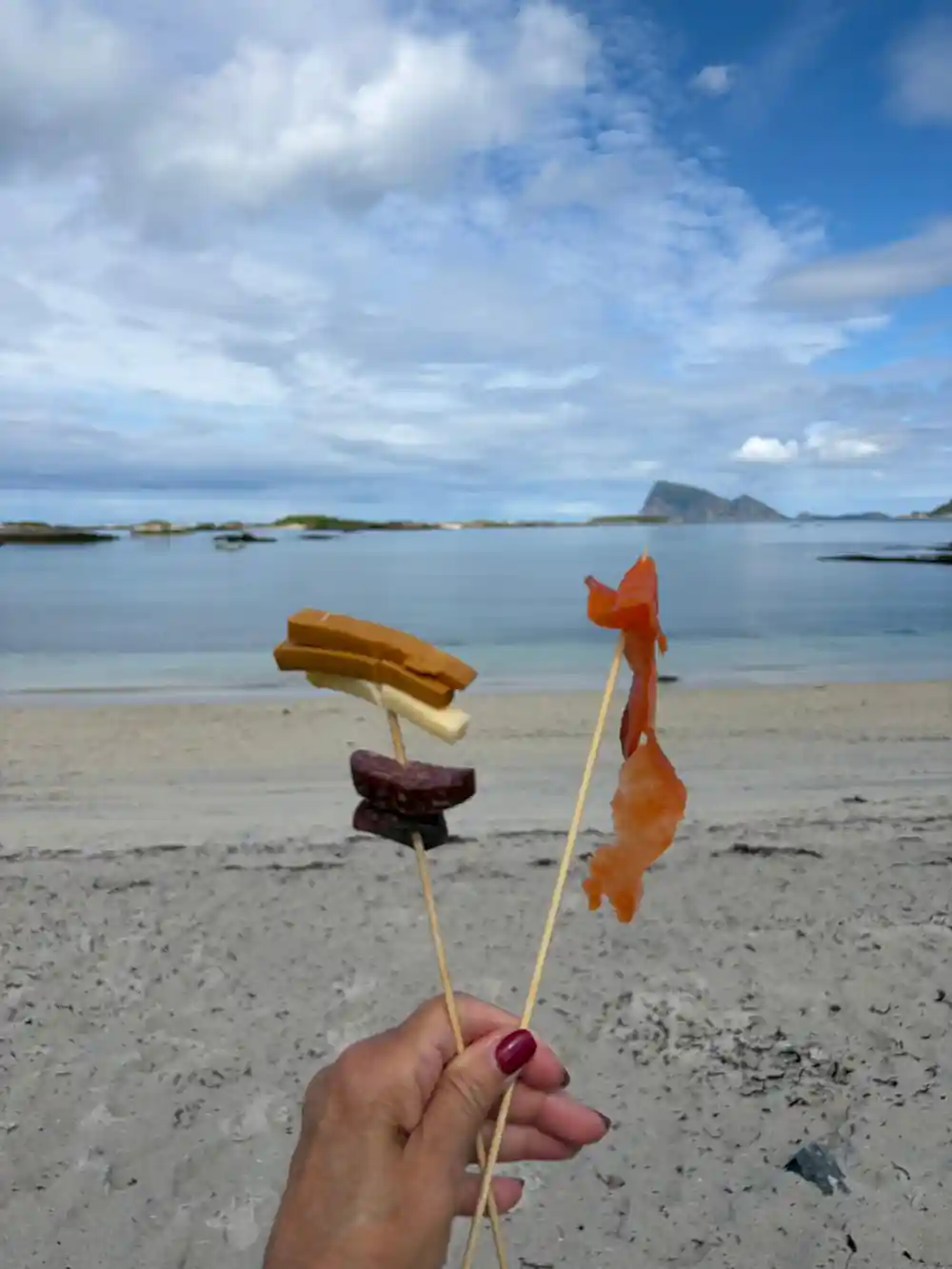
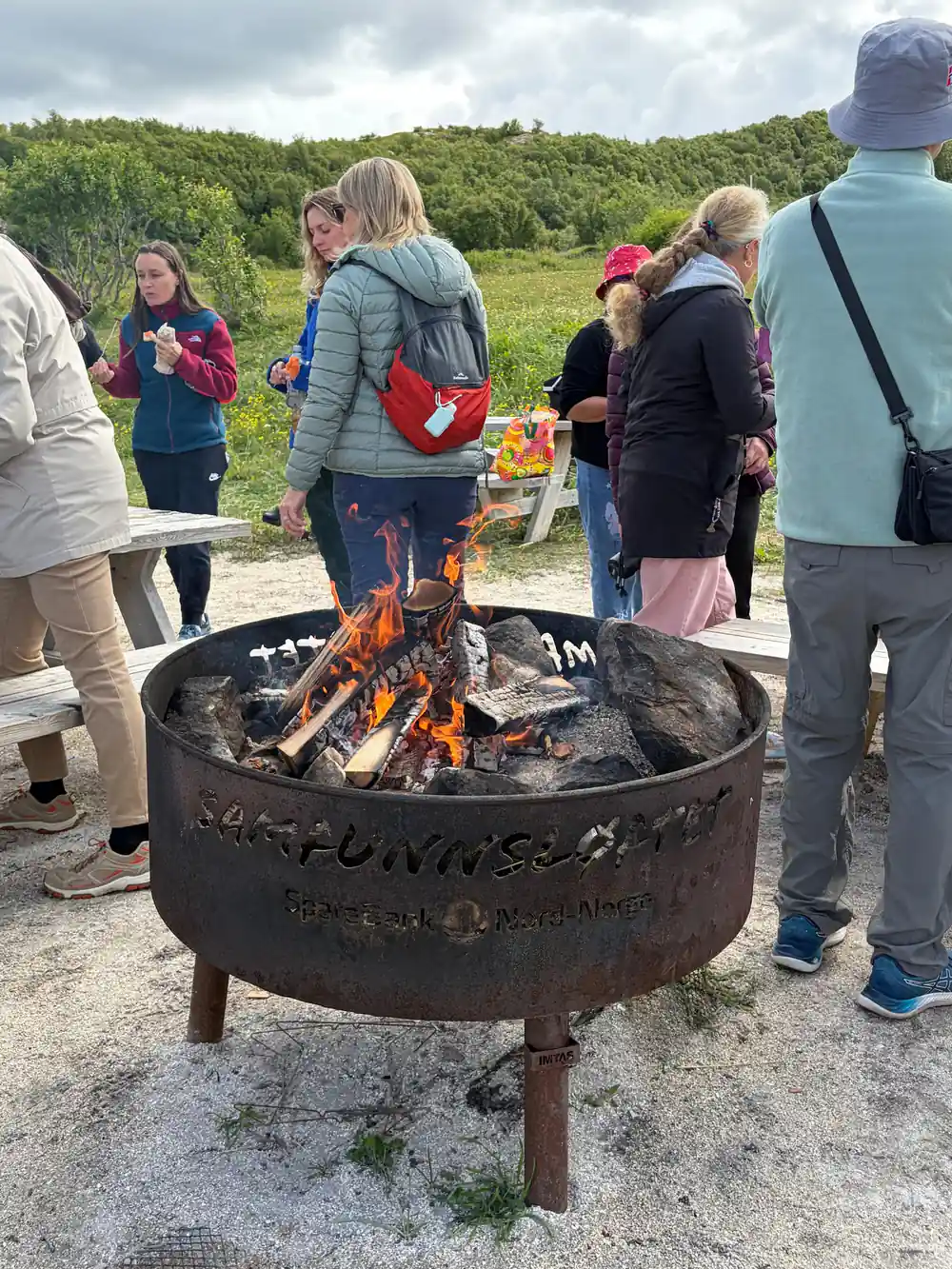
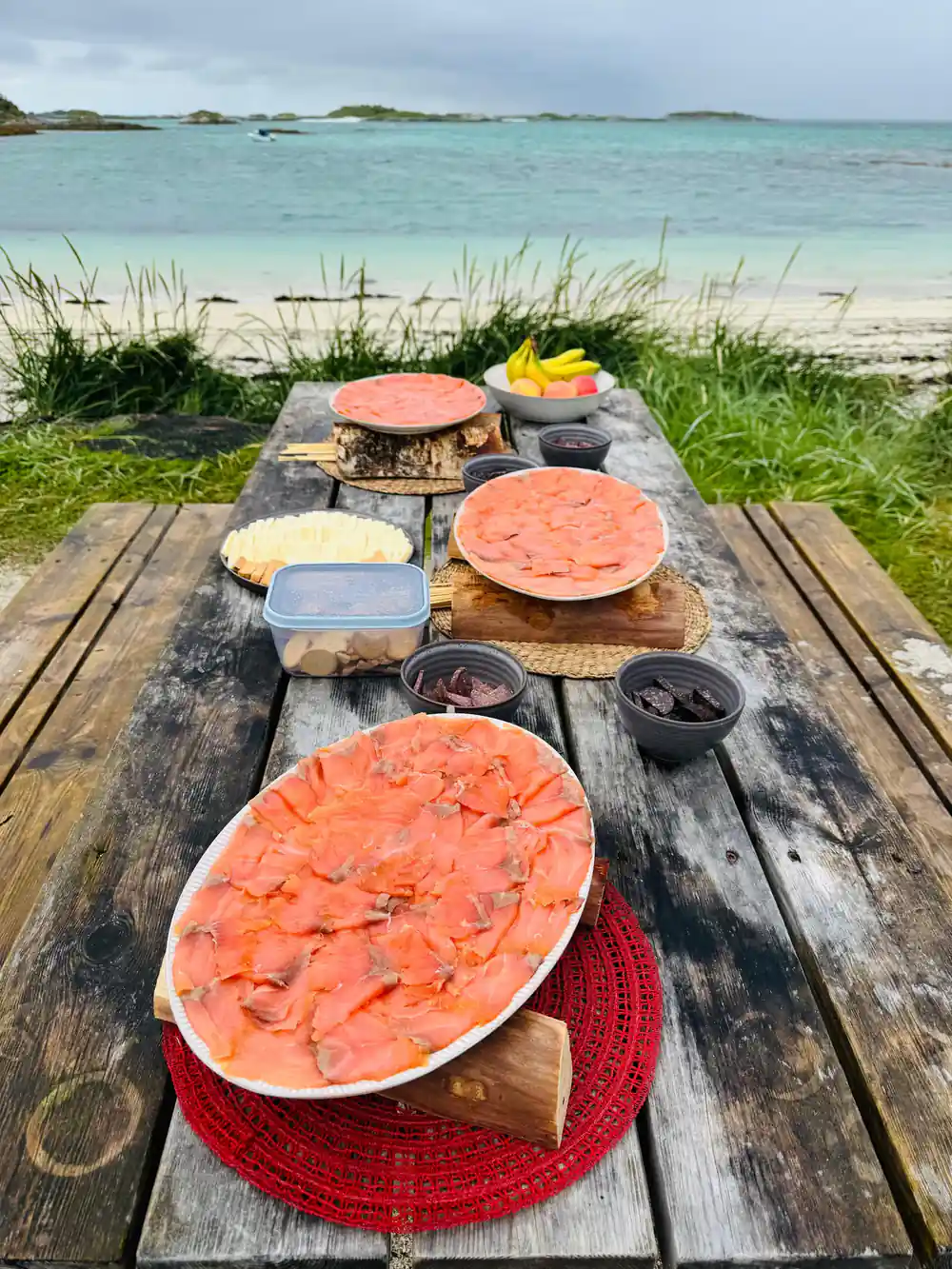
Somewhere along the way the coach stops and the team lays out a table. Cured Norwegian salmon is the centrepiece, with bread, cheese, preserves and fruit around it, and coffee and tea poured from flasks. A vegetarian option is available if arranged in advance.
Everything happens in the open air beside the water instead of at some indoor halt, and that setting is largely why it stays in the memory. Where the weather forbids it, a sandwich and something warm take its place, a substitution the operator declares rather than conceals. Allergy, coeliac and vegan requirements are beyond what this expedition can accommodate.
Wildlife you might see on the way
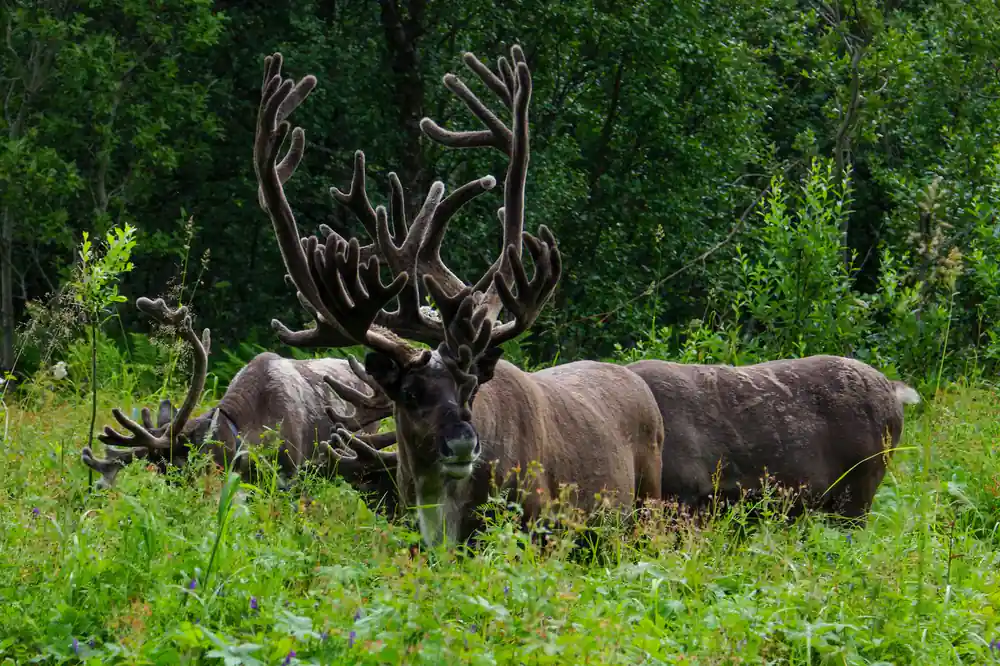
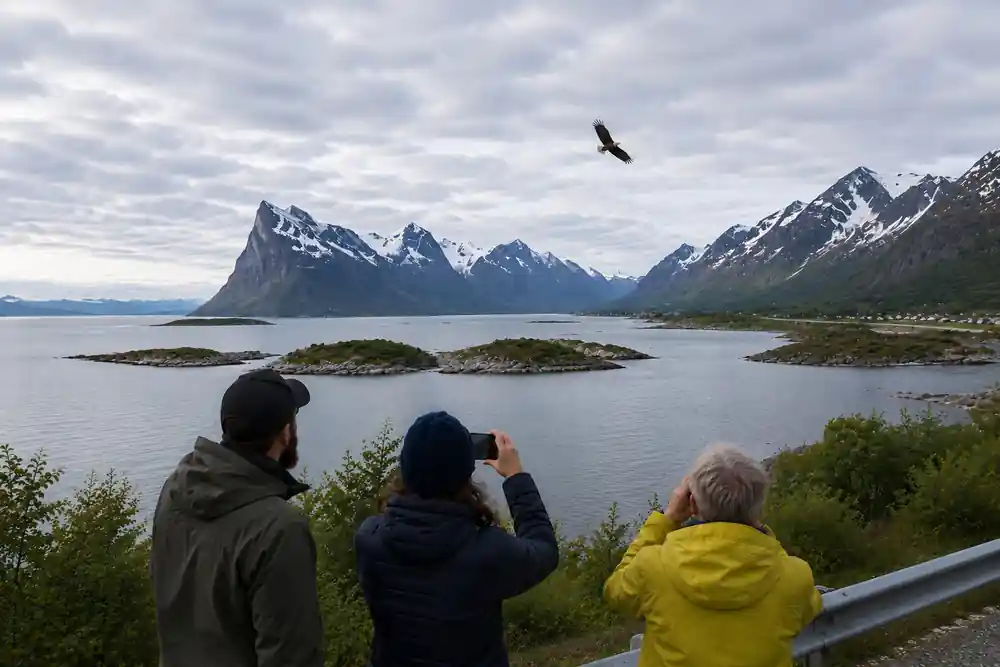
Along the way the guides watch for five creatures in particular: white-tailed sea eagles, reindeer, moose, seals and porpoises. Whether any of them appears is expressly not promised, which is the sole truthful stance available where wild animals are concerned.
Of those five the eagle is both the most probable and the most arresting. This region supports a concentration of them matched almost nowhere else, and they favour rocky perches above the tideline that a vehicle on the road passes beneath. Carry the binoculars the operator suggests and the difference in what you notice is substantial.
How the day is run
Loosely, and deliberately so. Where you go, where you halt, where lunch happens and when any of it occurs are all declared subject to change for weather, roadworks, traffic or safety, and travellers report crews rearranging an entire itinerary around a wet forecast until the rain scarcely found them.
That is the practical advantage of travelling by road in a climate like this one. A boat trip in a rough Arctic sea is cancelled; a coach expedition takes a different sequence of stops and carries on. The corollary is that a scheduled finish time is a plan rather than a promise, which is why the operator asks you not to book onward travel within three hours of the end.
Who it suits
Anyone who wants to see a great deal of Arctic coast in an afternoon, anyone travelling with children or with somebody who values a toilet and a heater, and anyone who is uneasy on water. Seasickness is simply not a factor here, which for some travellers settles the question entirely.
It also suits a visitor with limited days. Four and a half hours leaves the evening intact for dinner or, in season, for an aurora chase, which does not compete with a daytime expedition for hours. What it does not offer is the view from the middle of a fjord, and anyone whose heart is set on that should book a boat instead.
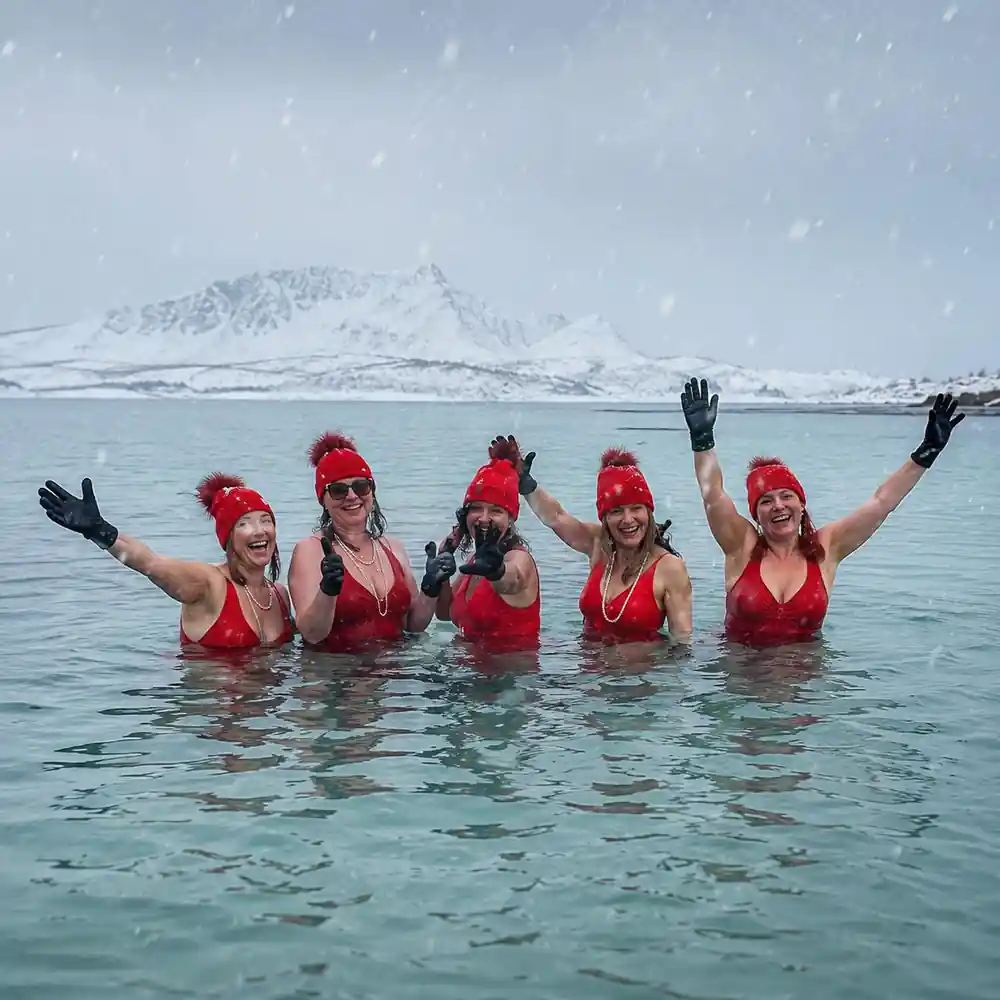
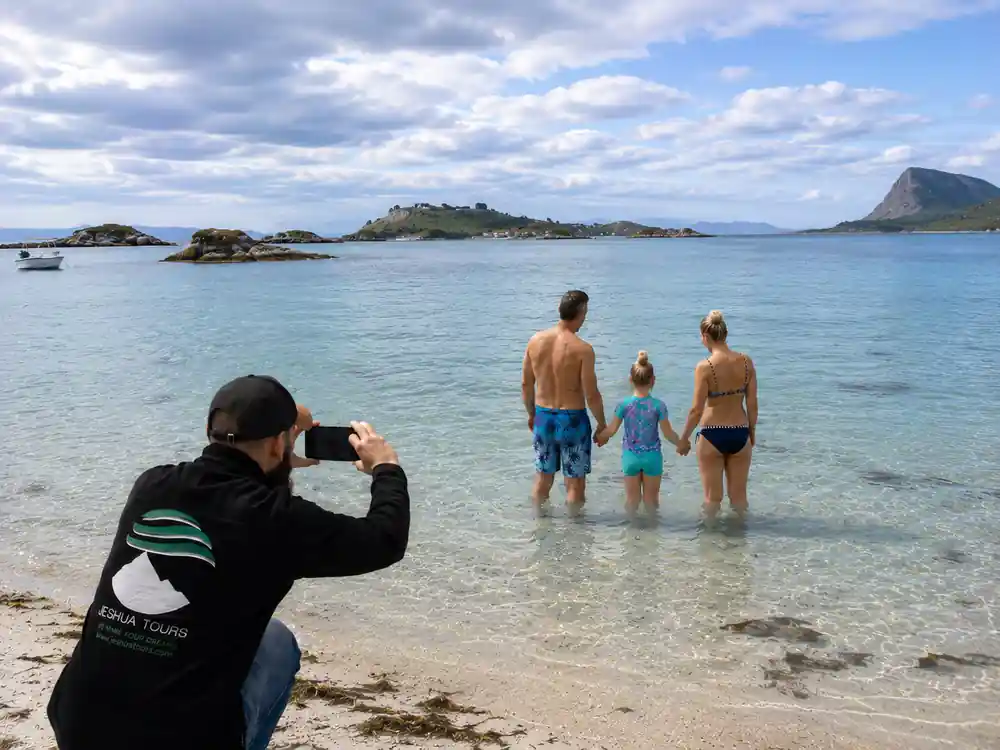
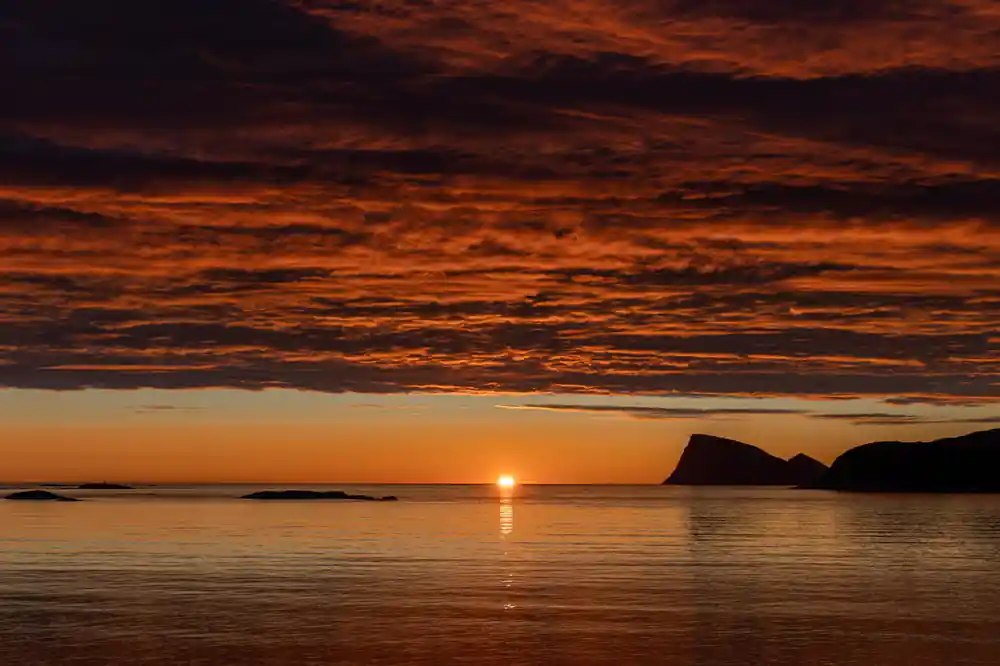
There is one optional extra worth flagging for anyone reading this in summer. At the far end of the route the expedition offers an Arctic swim, and the operator provides a large towel for anyone who takes it. Nobody is obliged, plenty of people watch, and it is the single thing most likely to end up in the story you tell when you get home.