The main points
- Polar night runs from about 27 November until 15 January, and dim light extends across much of the day.[1]
- The 4.5-hour tour heads out to pale shallows, fishing cabins and white sand on the outer coast.[2]
- Rated 4.73 from 5,005 GetYourGuide reviews, with live English and Spanish guiding.[2]
- From US$55, with reserve now, pay later and free cancellation up to 24 hours in advance.[2]
- In winter, orcas and humpback whales gather in the waters north of Tromsø to eat herring.[3]
- Top choice Sommarøy Expedition Tour from US$55 Duration4.5 hours[2]Live guideEnglish, Spanish[2]CancellationCancel up to 24 hours in advance[2]Rating4.73 from 5,005 reviews[2] Check availability
- Sommerøya and Kvaløya Tour from US$113 Duration5.5 hours[4]Live guideEnglish, Spanish[4]CancellationCancel up to 24 hours in advance[4]Rating4.78 from 343 reviews[4] See this tour
- Sommarøy Scenic Fjord Tour from US$220 Duration6 hours[5]Live guideEnglish, Norwegian[5]CancellationCancel up to 24 hours in advance[5]Rating4.81 from 247 reviews[5] See this tour
The northern lights may be visible in the Tromsø region from late August to early April, whenever the sky is dark and sufficiently clear.
Perfect for photographing the Arctic coast
Know this first
- Book for the clearest sky windows in your dates
- Reserve now and pay later with free cancellation
- Check travel insurance covers camera gear
- Look for a group size that suits tripod work
In the field
- Shoot in the blue hour and the soft light on snow
- Keep spare batteries warm; cold drains them fast
- Use the stops to scout foregrounds and layers
- Ask your guide for the best sheltered angles
Why the light here is unusual
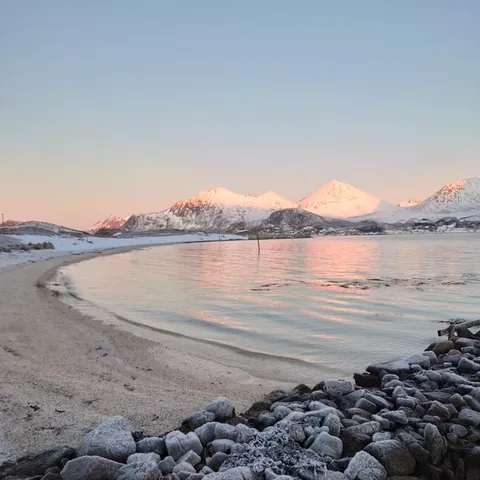
Tromsø sits far enough north that winter light behaves differently from what you have probably shot before. During polar night, the sun stays below the horizon from approximately 27 November to 15 January.[1] That does not mean darkness all day. It means long dawn and dusk tones, with snow and water holding colour while the sun circles just out of sight. Give yourself time to stand still and wait for the light to change.
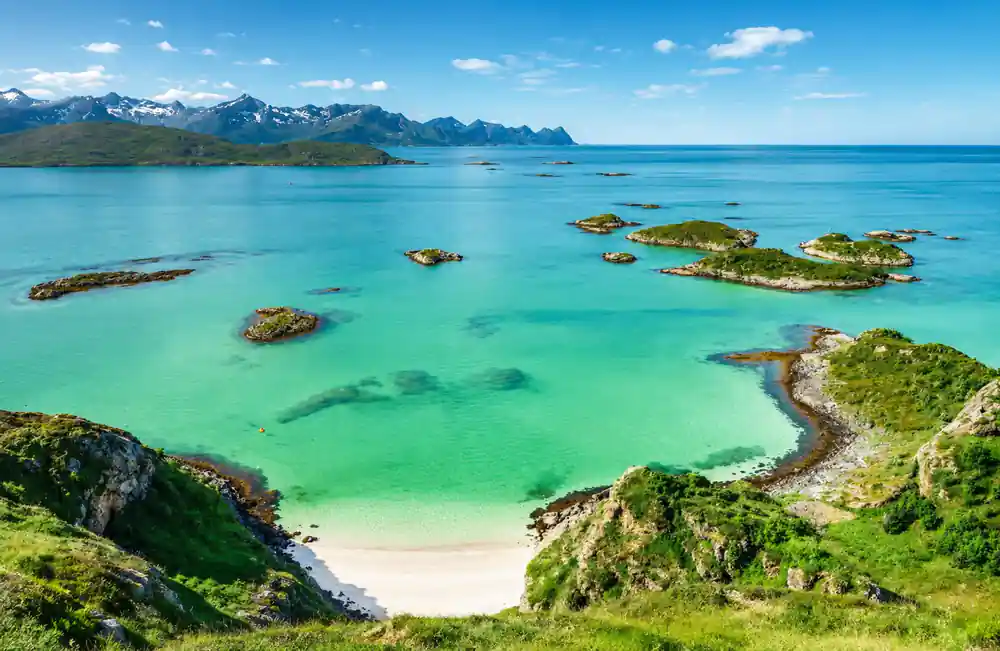
The same latitude gives the opposite gift in summer. The midnight sun typically lasts from about 20 May to 22 July.[6] If you book a coast tour in that window, you can shoot late into the evening without losing light. The coast around Sommarøy is a strong subject in both extremes, with pale shallows, white sand and snowy mountains. Even in the darkest weeks there is usually a period of usable light around midday.
Averaged across winter, Tromsø sits at about -4°C.[7] That cold air holds less moisture, so skies can be crisp. It also means you need to plan around frozen fingers, fogged lenses and battery drain. Dress in layers and keep a hat and gloves within reach.
The blue hour that lasts all day
Most photographers chase the blue hour before sunrise and after sunset. In Tromsø's polar night, that soft directional light can last for a large part of the day. The duration of polar night is roughly from 27 November until 15 January.[1] If you visit then, a morning start and an afternoon start feel less different than they do further south. The quality of light changes from one fjord to the next, with mountains casting long shadows and open bays holding a softer glow.
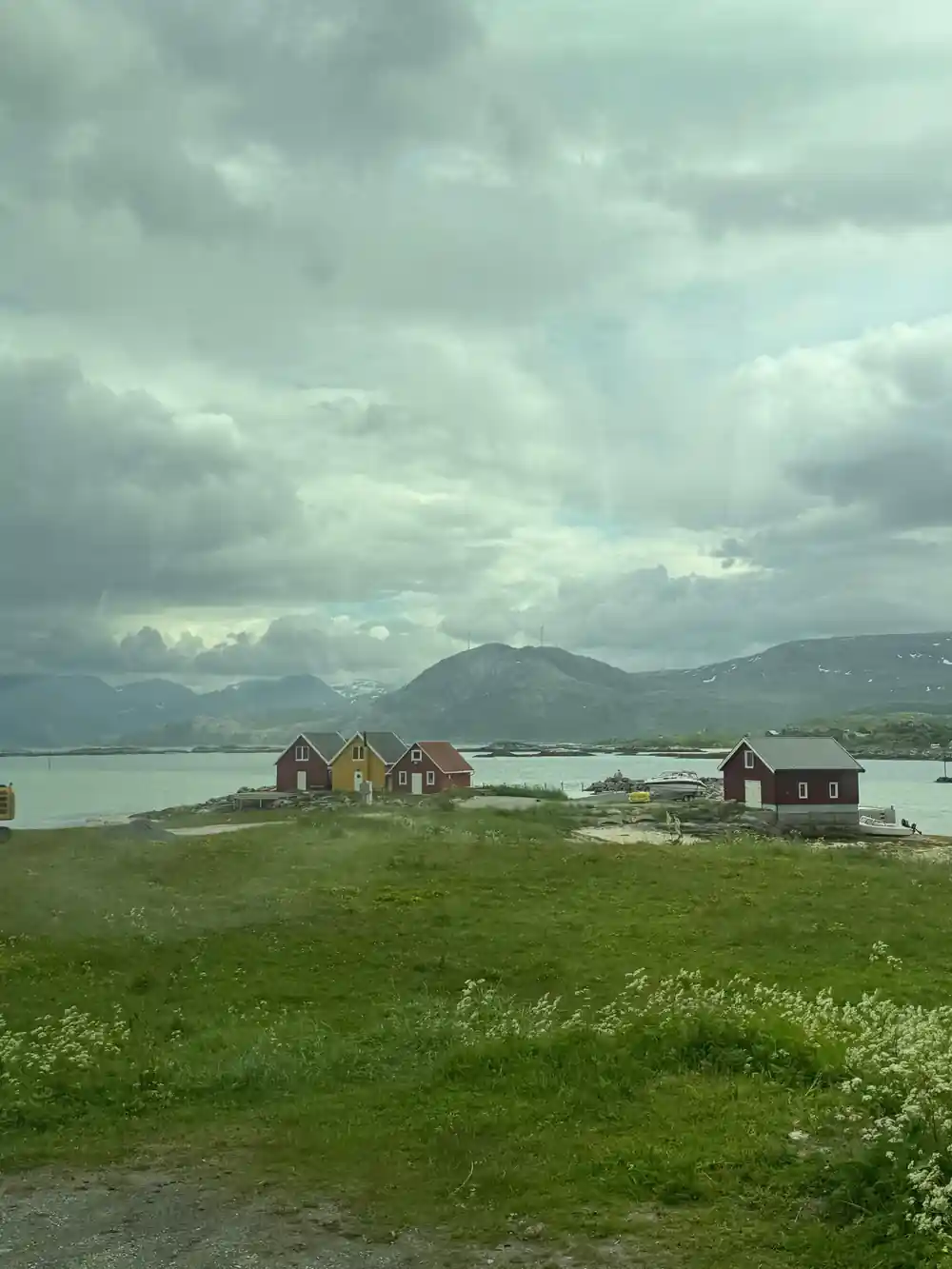
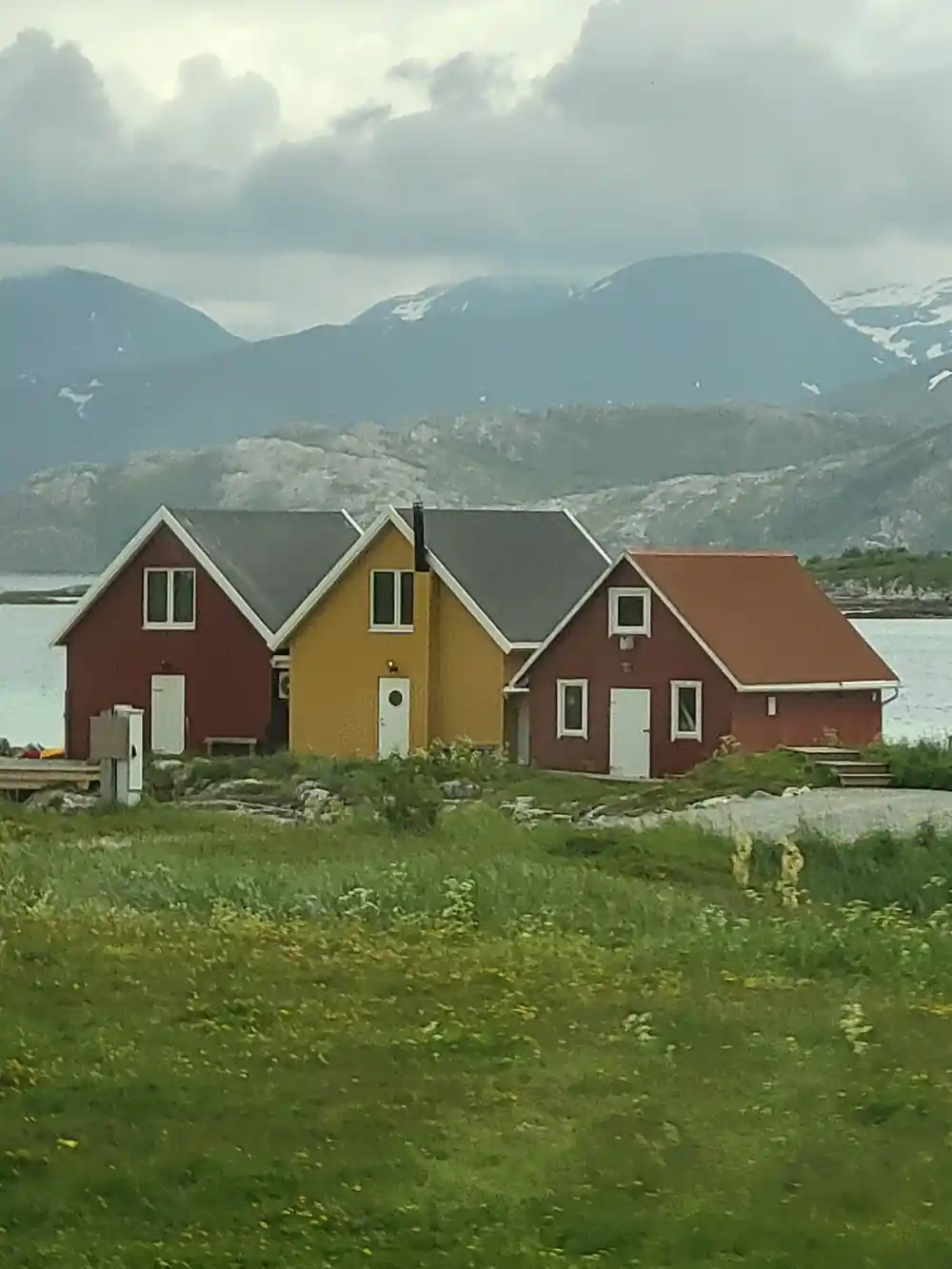
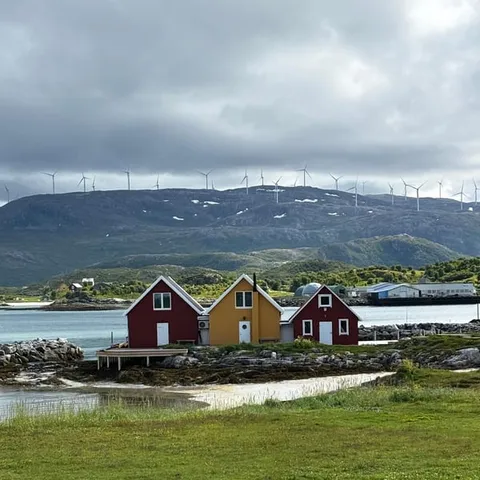
On the Sommarøy expedition you have 4.5 hours to work with the light.[2] The route crosses Kvaløya, the large island west of Tromsø, which covers 737 square kilometres including the small island Håkøya.[8] Fishing cabins, red and yellow wood, snowy shorelines and turquoise shallows all give foregrounds for wide shots. Keep an eye on the layers behind the cabins: the mountains give depth when they are sharp, and atmosphere when they are soft.
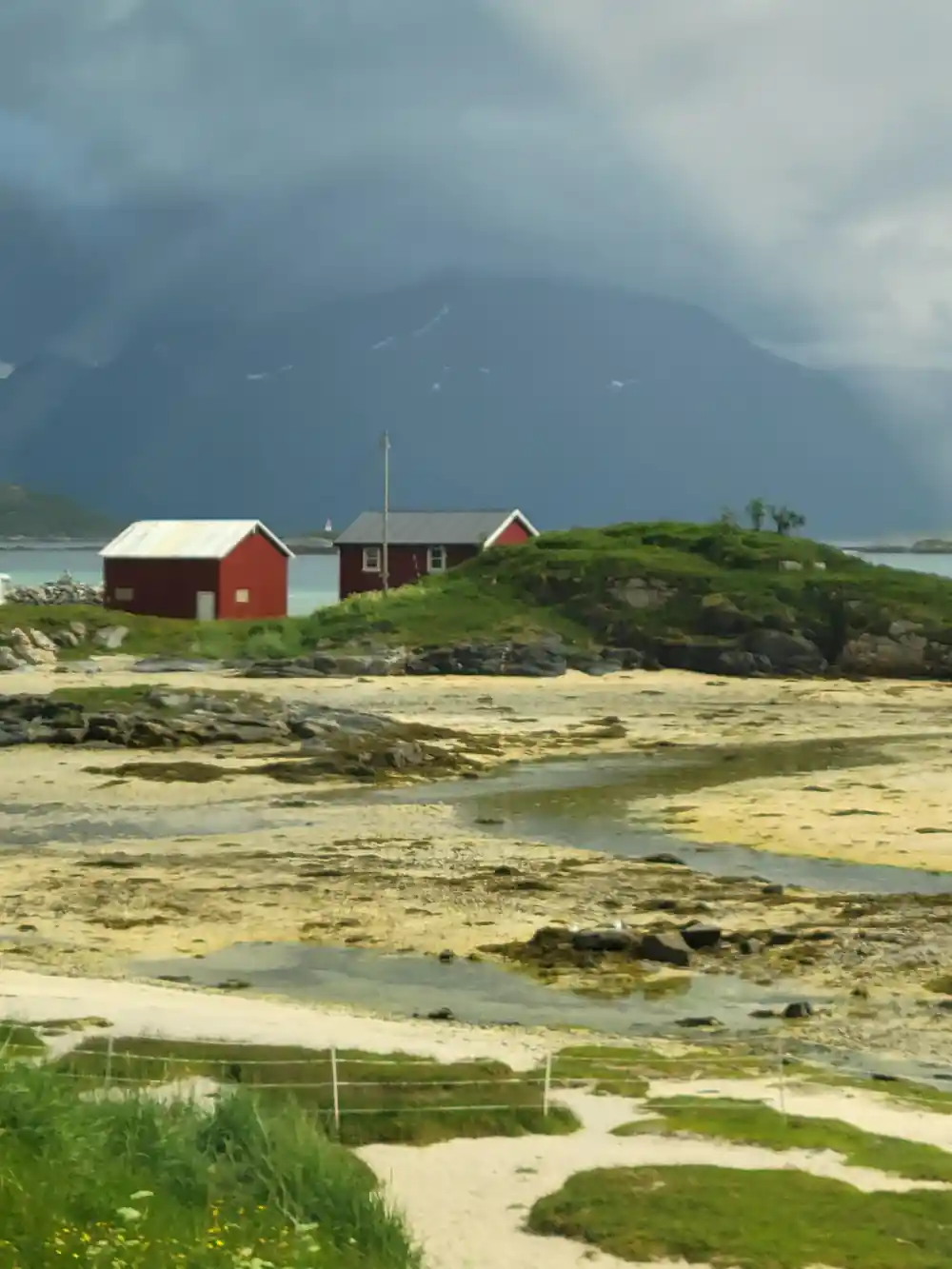
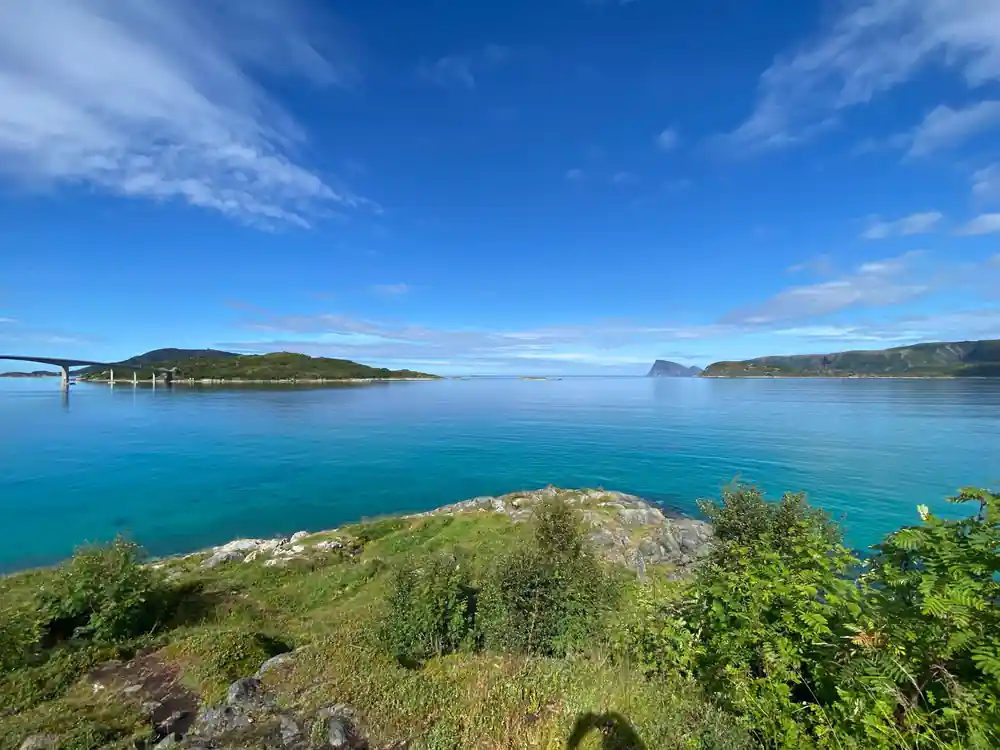
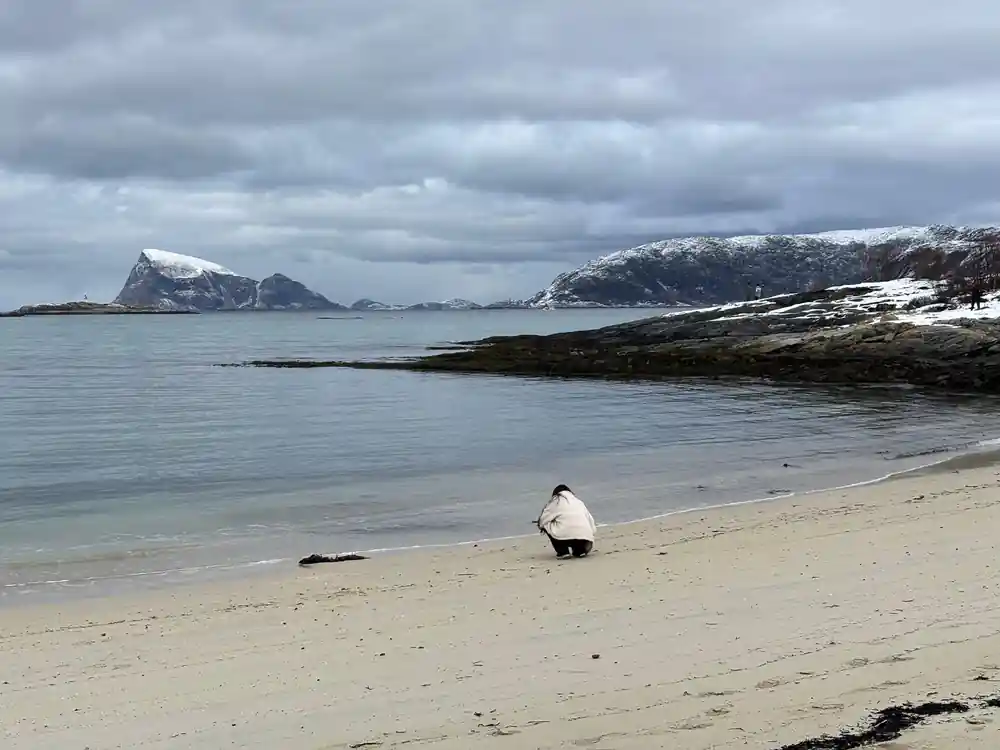
If the sky is overcast, do not put the camera away. Soft cloud turns snow into a giant diffuser, and water can look almost pastel. The pale turquoise shallows around Sommarøy are most photogenic when the light is even rather than harsh. In winter the low sun never climbs high, so long shadows stay for the whole trip.
Turquoise shallows and white sand at Sommarøy
Snow, and why your photos look grey
Snow confuses cameras. Metering tries to turn white into middle grey, so your files come out dark and flat unless you add positive exposure compensation. The same thing happens on grey winter days. Lift the exposure, shoot raw, and check the histogram rather than the back of the screen. Once you learn to read the histogram, the grey look disappears quickly.
The issue matters more when the snow is part of a wide coastal scene. If the beach is white and the water is pale, the camera has very few dark tones to anchor on. Focus on the brightest highlight you want to keep, then expose to the right. A small amount of foreground texture can make the difference between a flat frame and a three-dimensional one.
A little warmth helps too. The red and yellow fishing cabins that appear along the route give the eye a colour accent against snow. Photograph them with the snow as negative space, or include a picnic table or fire pit as story elements. A person in a bright jacket works the same way as a red cabin.
Keeping equipment working
In Tromsø, winter temperatures average roughly -4°C.[7] At that temperature, a camera left in a bag can be fine, but a camera left on a tripod for an hour will drain batteries quickly. Keep spare batteries in an inside pocket, close to body heat, and swap them before they hit the last bar. Keep the camera in the bag between stops unless you are actively shooting.
Lens fog is the other classic problem. Coming indoors, seal the camera in a bag until it reaches room temperature. Coming out of a warm vehicle, wait a minute before shooting. On the coast, wind can drive spray onto the front element, so use a lens hood and carry a microfiber cloth. If a lens does fog, do not wipe it while it is cold; let it warm up slowly.
Cold hands make careful framing harder. Thin liner gloves under warm mittens let you adjust settings without exposing fingers for long. If you bring a tripod, a quick-release plate helps you move between stops. A simple neck strap stops you fumbling with gloves on.
from US$55
A 4.5-hour live-guided coast tour rated 4.73 from 5,005 reviews.[2]
Where the good stops are
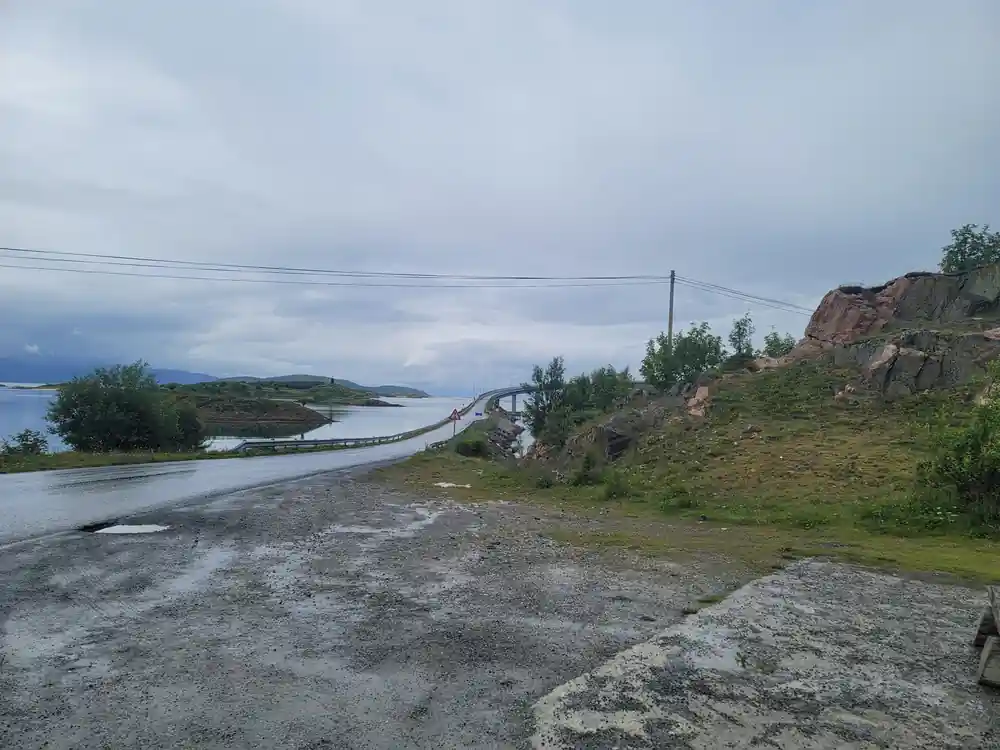
Sommarøy sits on the outer coast, where the sea breaks into pale shallows and sandbars. Grøtfjord is another popular sandy beach, approximately 36 kilometres from Tromsø city centre.[9] The tour route passes beaches and fishing settlements, so you do not need to plan your own driving. The drive itself is part of the shoot, because the road follows the water.
Kvaløya is bigger than many visitors expect. It covers 737 square kilometres, including the small island Håkøya.[8] That scale gives you mountains, fjords, beaches and villages within one day trip. It is also the island you cross on the way to Sommarøy. A change in tide, snow cover or cloud direction makes the same bay look different.
Whale-watching is a winter specialty further north. During winter, killer whales and humpbacks congregate in the region to eat herring.[3] In September and October, herring move northeast to wintering areas that are off the coast and in northern Norwegian fjords.[10] If the pictures from a coast trip make you want longer lenses, that is the separate expedition to consider. Think of the day trip as a scouting run for the aurora nights that follow.
The photographs that come with the trip
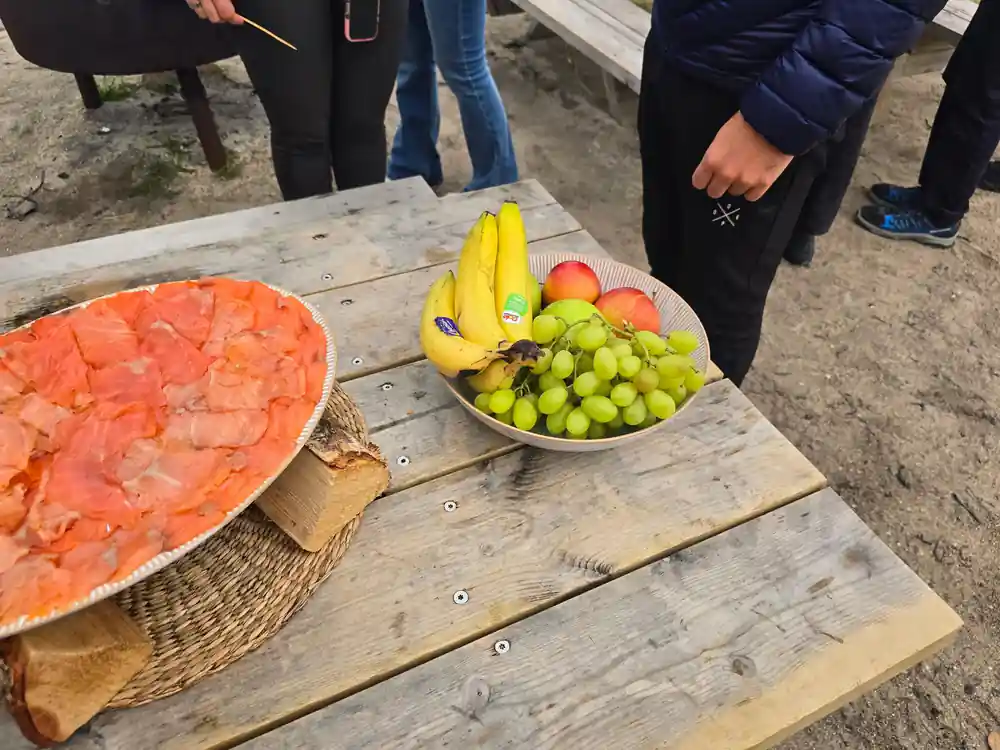
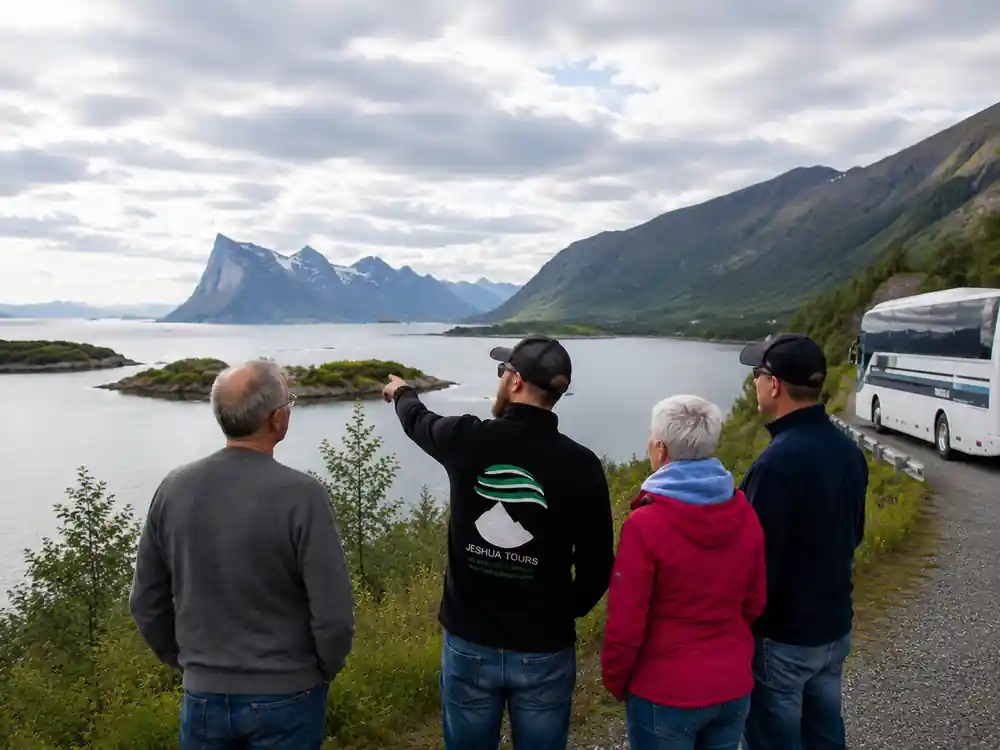
The Sommarøy Fjord Expedition Tour & VIP Salmon Picnic is a 4.5-hour guided excursion with live commentary in English and Spanish plus an audio guide.[2] It is rated 4.73 from 5,005 reviews.[2] You can watch the water and frame the shot while someone else handles the road.
For travelling photographers, the practical package matters. The tour is priced from US$55.[2] You can reserve now and pay later, and cancel up to 24 hours in advance for a full refund.[2] That flexibility is useful when a weather forecast changes.
What the tour does not replace is an evening aurora chase. In the Tromsø area, auroras can appear from late August until early April if the sky is dark and clear enough.[11] A daytime coast trip is for the landscape; keep the aurora for a separate night tour. Treat the night as a separate adventure with a very different portfolio.
Do you need more than a phone
For most travellers, no. Modern phone cameras handle snow and blue light well, especially if you shoot raw or use the night mode. The Arctic coast rewards composition more than gear: a fishing cabin, a curve of white sand, the guide standing in the shallows for scale. Wipe the lens of your phone before each shot; snowflakes land on glass without you noticing.
If you want more control, bring a mirrorless or DSLR with a wide-angle zoom and a polariser. A polariser helps pull detail out of water and wet rocks. A small tripod is useful in the blue hour, though you can also brace on rocks or use a mini tripod. If you bring a full-size tripod, use it from the first stop rather than leaving it in the car.
Whatever you carry, protect it and keep it warm. The best camera is the one that is still working when the light turns. With an average winter temperature around -4°C,[7] that means pocket spares and a dry cloth. Take time to look without the camera.
Traveller ratings for Tromsø coast tours
Compare coast tour prices
Adult from-prices only, from GetYourGuide listings. Child prices not stated.[2][4][12][13]
When to go for the light
Plan your coast shoot
Choose your season
Winter averages around -4°C.[7] Summer brings midnight sun from around 20 May to 22 July.[6]
Arrive with time
Airport to city centre takes about 10-20 minutes.[16] Book the expedition for 4.5 hours.[2]
Pack for the cold
The average winter temperature is around -4°C.[7] Keep spares in an inside pocket and bring warm gloves.
Keep your lens clear
Snow, spray and breath can fog glass. Carry a dry cloth and a hood. The coast is exposed, so protect the camera between stops.
Shoot raw and check exposure
Raw files keep shadow detail in snow and sky. Overexpose carefully; snow fools meters.
Leave room for aurora nights
The lights may appear between late August and early April.[11] Keep one evening free for a dedicated aurora tour.
Reserve the Sommarøy Fjord Expedition Tour & VIP Salmon Picnic
from US$55Reserve now & pay later